
Last updated September 22, 2026
Non-destructive entry first, always - and we re-key Schlage, Kwikset, and Baldwin locks on the spot while you watch
You get a price before we start. It does not change when we arrive. No surprises.
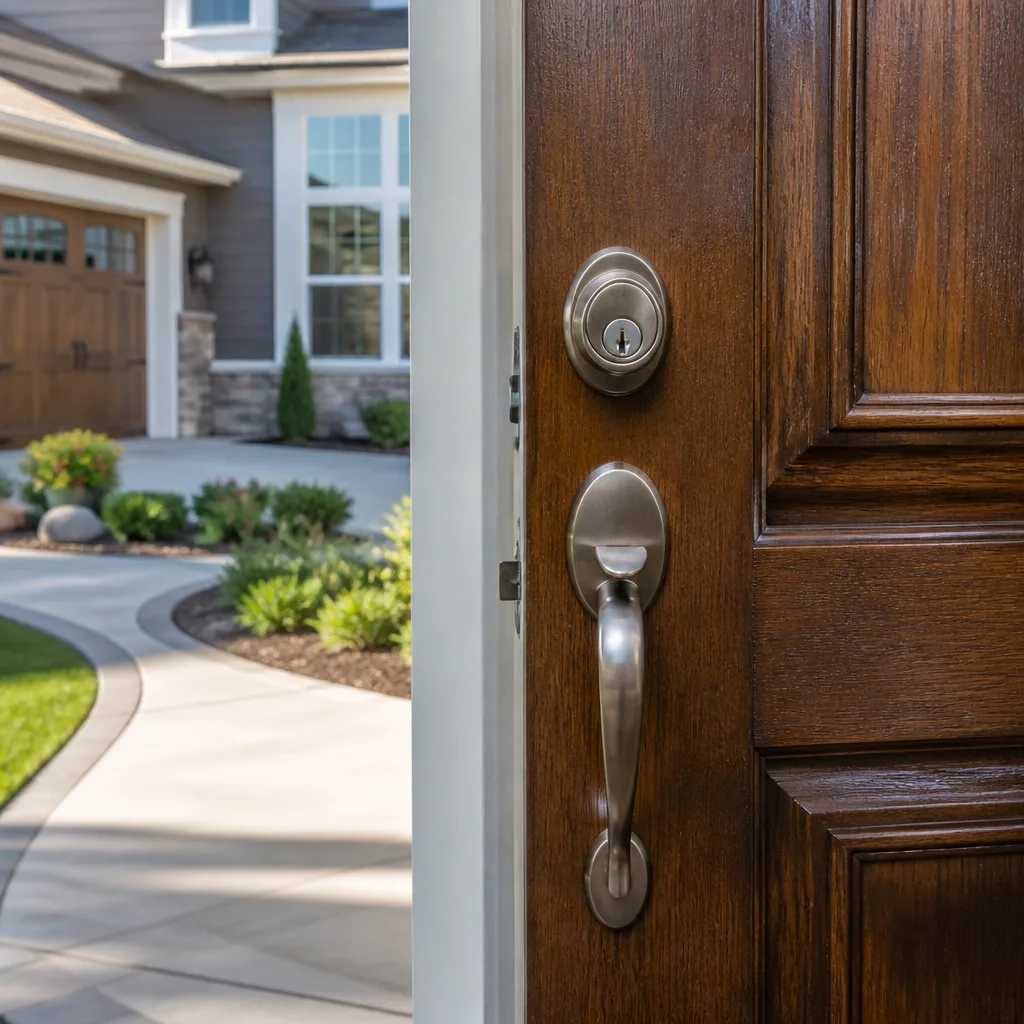
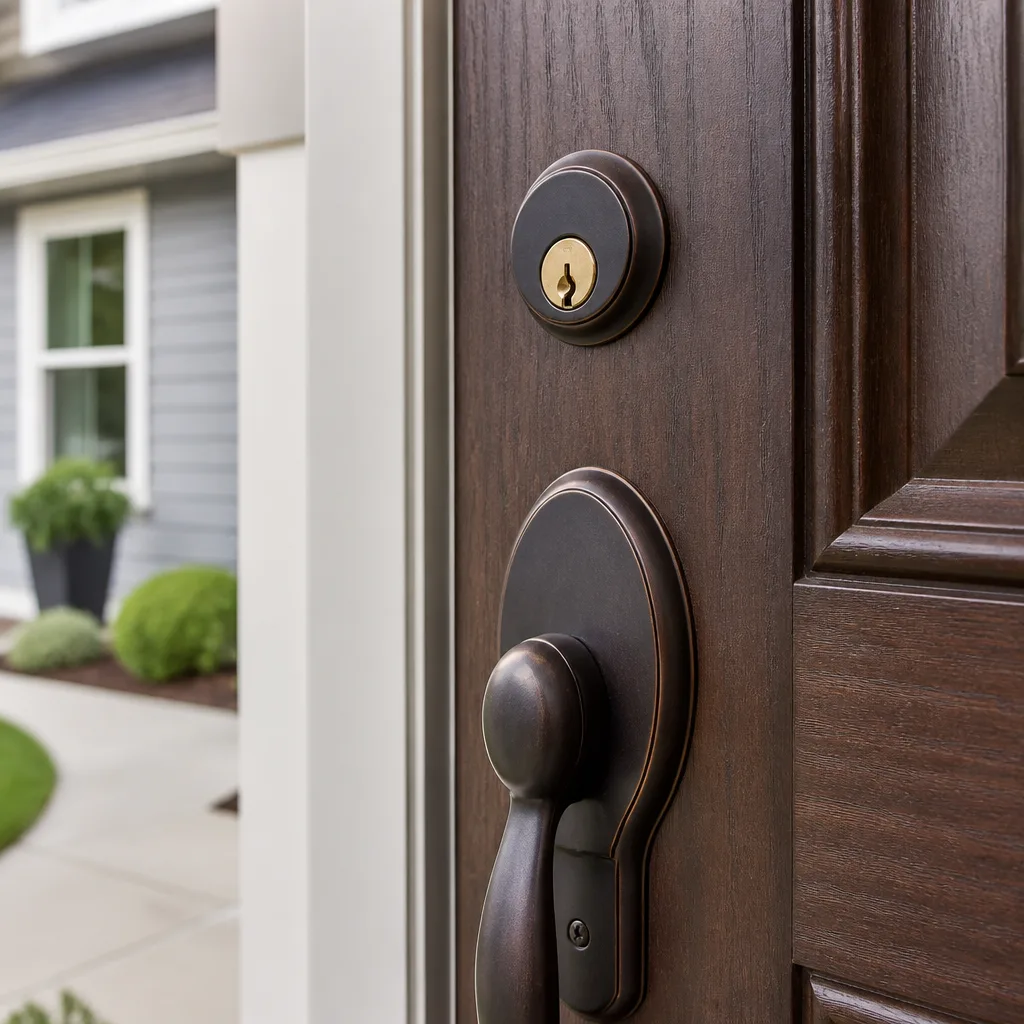
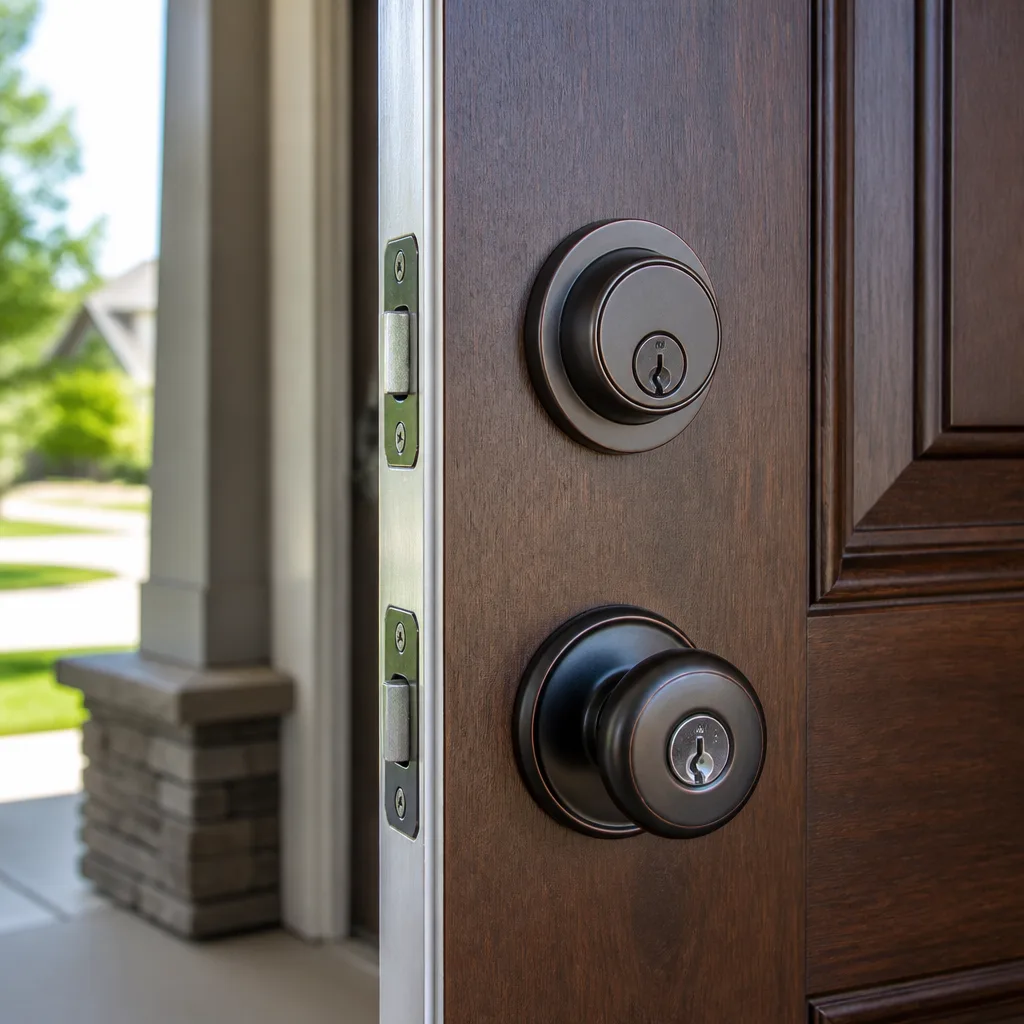
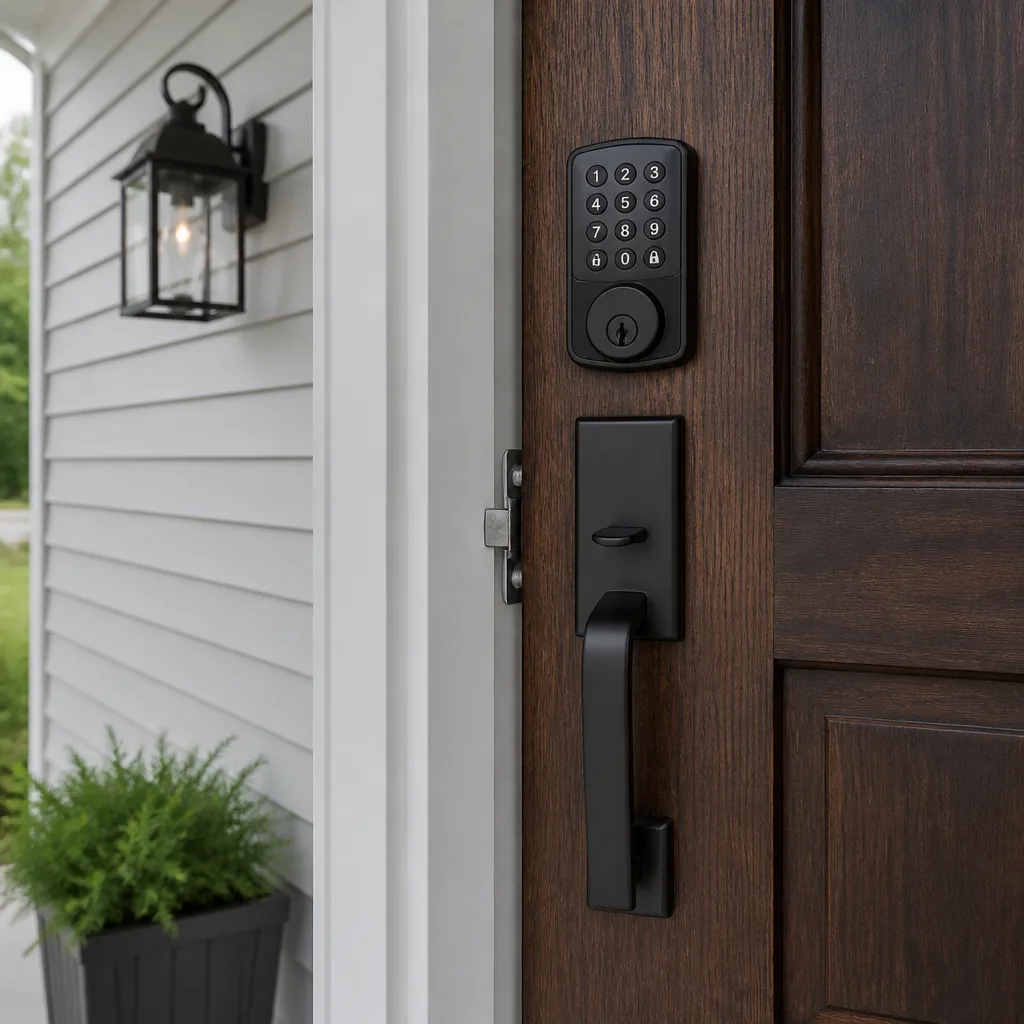
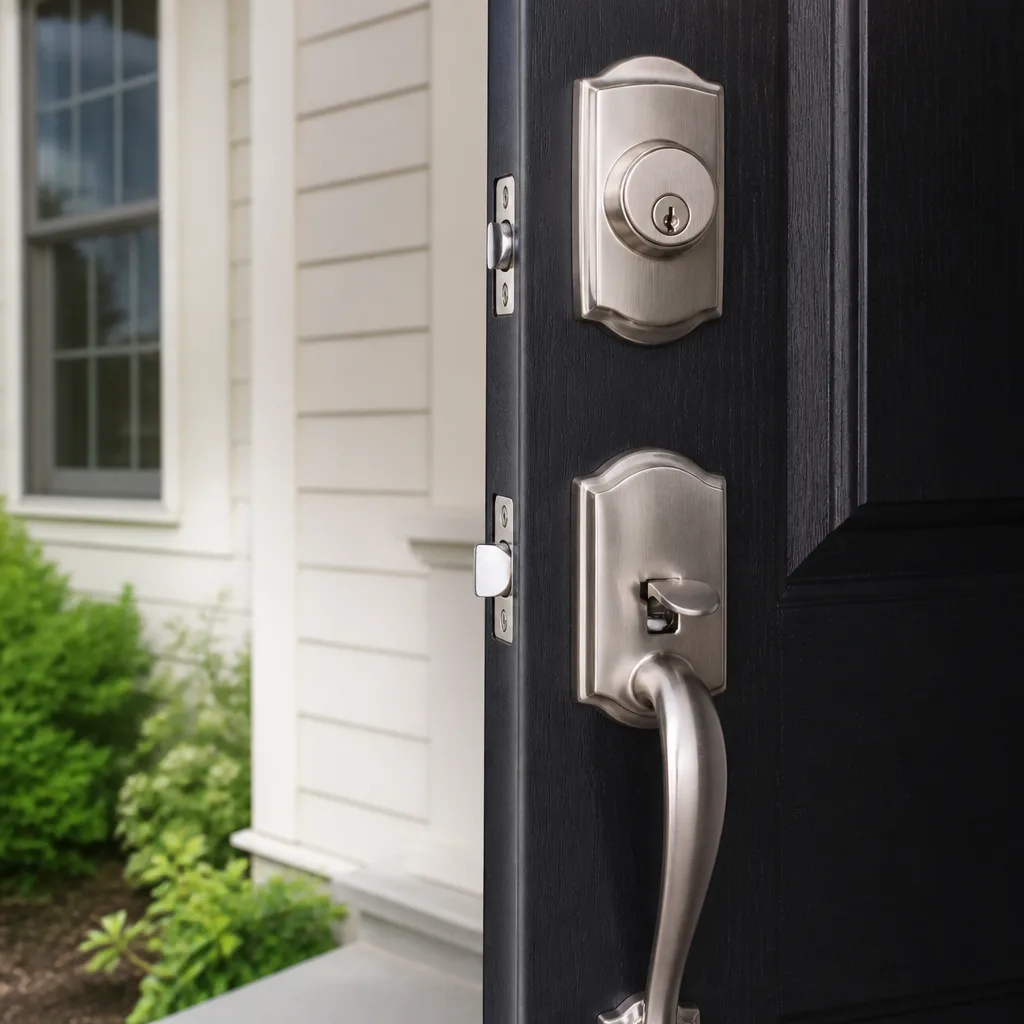
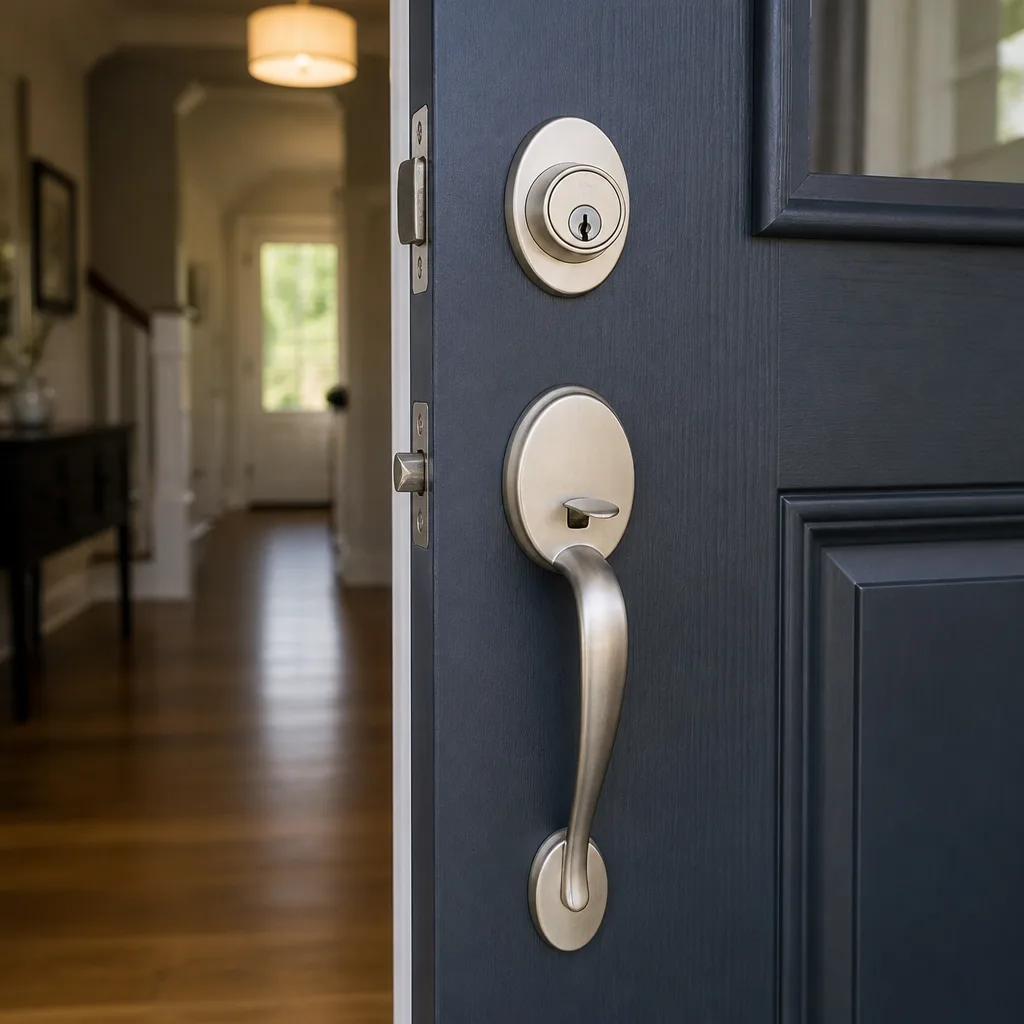
Locksmith Cost Breakdown: The Los Angeles Homeowner’s Reference for 2026
The average locksmith invoice discrepancy in California, the gap between the price quoted on the phone and the price on the final invoice, runs between $150 and $300 according to CSLB complaint data. That means the low price that won your phone call was never the price. In Los Angeles, where service areas span fifty miles and traffic can add two hours to a dispatch, the opacity is structural: customers cannot verify what a service call should cost, what hardware should cost, or whether the technician standing at their door is empowered to rewrite the quote. This guide names every legitimate cost component and gives 2026 market ranges for each, so you can read a locksmith invoice line by line and know which charges you have the right to question or refuse before signing. For more guides & resources, see our blog.
Quick Answer
In Los Angeles, a straightforward residential locksmith service in 2026 typically costs $120-$450 all-in, depending on job type: lockout entry runs $120-$250, rekeying $25-$50 per cylinder plus labor, deadbolt installation $180-$350, and high-security lock upgrades $400-$900. The total depends on three variables only: labor time, hardware grade, and whether the call falls outside standard hours. Any invoice with more than three line items, or any price increase after the technician arrives, is a deviation from standard practice that you should stop and verify.
Table of Contents

- The Service Call / Dispatch Fee: What It Actually Covers in Los Angeles
- Labor Rates by Job Type: 2026 Los Angeles Market Ranges
- Hardware Markup: Reading the Parts Line on Your Invoice
- After-Hours and Emergency Premiums: Flat Fee vs. Multiplier
- How to Read a Locksmith Invoice Line by Line
- Los Angeles-Specific Cost Factors: Traffic, Codes, and Neighborhood Variation
- Common Mistakes to Avoid
- When to Call a Professional
- Frequently Asked Questions
The Service Call / Dispatch Fee: What It Actually Covers in Los Angeles
A legitimate service call fee covers the fixed cost of getting a technician and stocked van to your location. In Los Angeles, that includes fuel, vehicle maintenance, commercial insurance, and the unbillable time spent in traffic on the 405, the 101, or surface streets through Hollywood or Koreatown. In 2026, the fair range for this fee is $35-$75 for standard business hours within a defined service area.
The fee becomes illegitimate when it functions as a decoy charge. We have reviewed competitor invoices where a $19 service call was advertised, then a $185 “labor minimum” appeared on the doorstep, with the original $19 nowhere to be found on the final bill. The $19 was not a fee; it was a customer acquisition cost buried in a larger deception.
Here is how to tell the difference:
- Ask what the service call includes. A legitimate dispatcher will specify: travel to your location, initial diagnosis, and the first fifteen to thirty minutes of labor. If the answer is vague, the fee is likely a placeholder.
- Ask whether the service call is deducted from the total. Some companies structure the fee as a separate line item that does not reduce labor charges. This is legal but uncommon; it should be disclosed.
- Verify the service area. A company based in Long Beach charging a low service call to a West Hollywood address is either absorbing heavy travel cost (unlikely) or planning to recover it elsewhere (likely). Novak Lock & Security Los Angeles publishes its service radius and charges a flat dispatch fee for all addresses within it.
Haven Standard Clause 1: the price on the phone is the price on the invoice. This rule has been in place since 2002. The service call fee is quoted as part of that price, not in addition to it.
Labor Rates by Job Type: 2026 Los Angeles Market Ranges
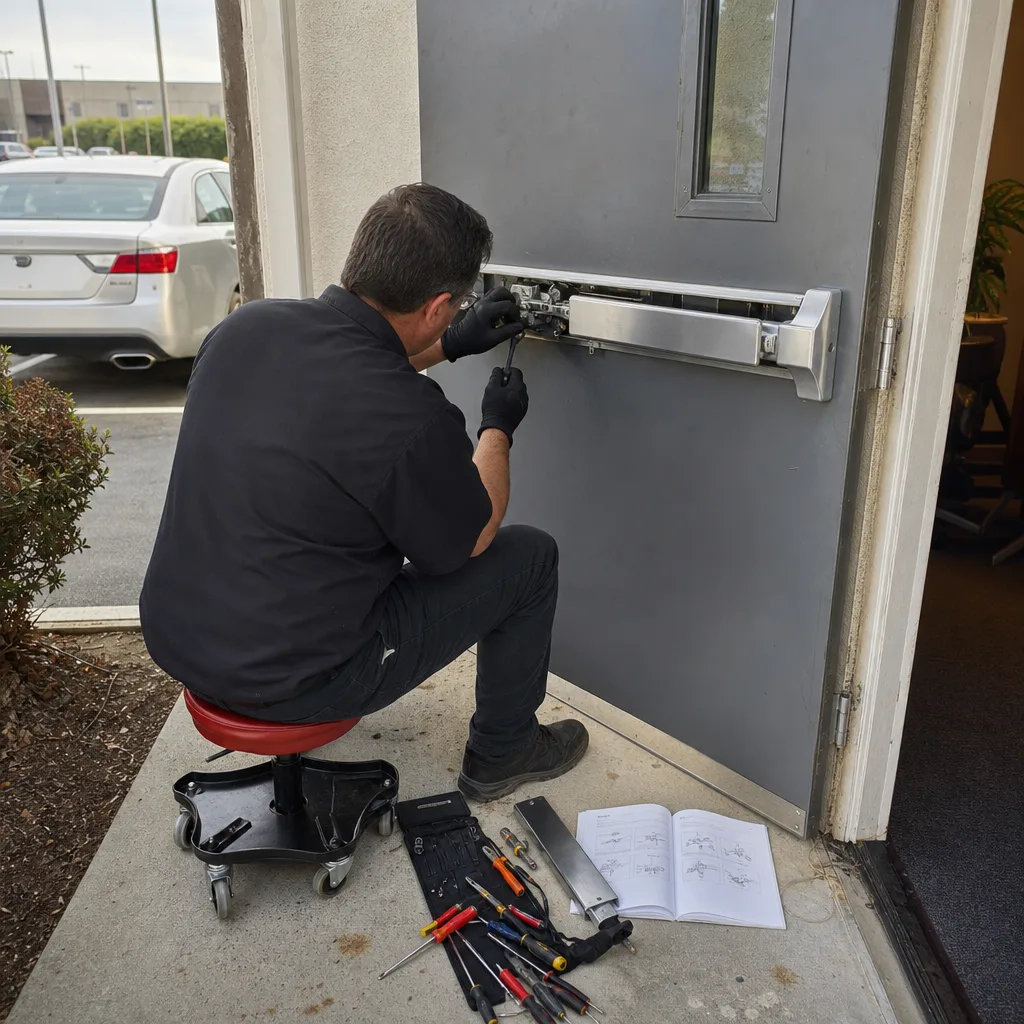
Labor is the core of any locksmith invoice, and rates vary by job complexity, not by how desperate you sound on the phone. The following ranges reflect what skilled, insured locksmiths in Los Angeles charged in late 2025 and early 2026, based on our own pricing and what we see in competitor estimates brought in for our Novak Lock & Security Los Angeles home free second opinion service.
| Job Type | Typical Labor Range | Time Required | Notes |
|---|---|---|---|
| Residential lockout entry | $85-$175 | 10-30 min | Standard pin-tumbler, no drilling. Older locks or damaged hardware add time. |
| Rekey (per cylinder) | $20-$40 per cylinder | 5-15 min each | Does not include new keys. Master key systems require additional pinning. |
| Deadbolt installation (new bore) | $120-$200 | 45-90 min | Wood door, standard thickness. Metal doors or gate installations add labor. |
| Deadbolt installation (replacement) | $75-$140 | 20-45 min | Existing bore, compatible backset. Retrofit plates add time. |
| High-security lock install (Medeco, Mul-T-Lock, Abloy) | $200-$400 | 60-120 min | Includes door prep, cylinder pinning, key registration, and owner documentation. |
| Smart lock installation | $150-$280 | 60-90 min | WiFi setup, app pairing, and user training included in proper quotes. |
| Master key system programming | $150-$350 base + per-cylinder | Variable | Requires written hierarchy plan. Commercial scope; see Commercial Locksmith in Los Angeles. |
| Safe opening (combination lost) | $200-$500 | 1-3 hours | Drilling required if manipulation fails. Always quoted as range, not fixed. |
These ranges assume standard business hours and accessible work conditions. Labor rates in Los Angeles run higher than national averages because technician wages, commercial vehicle insurance, and shop space all carry a premium. A rate below these floors is a signal, not a bargain.
We have rekeyed locks in Venice bungalows where the previous owner installed four different cylinder brands, each requiring a different key blank. The labor per cylinder did not change; the total increased because the job took longer. The customer received a written scope before we started, so the total was expected.
Hardware Markup: Reading the Parts Line on Your Invoice
Locksmiths who supply hardware mark it up. This is standard retail practice and legitimate. The question is whether the markup is reasonable and whether the hardware grade matches what you were sold.
In 2026, these are fair retail prices for common residential hardware in Los Angeles:
- Schlage B60N Grade 1 deadbolt: $45-$65 retail. A locksmith’s installed price, including markup, should land at $75-$110. We have seen invoices billing $180 for this exact item.
- Kwikset 980S Grade 1 deadbolt: $30-$45 retail. Fair installed component price: $55-$85.
- Schlage Encode smart lock: $280-$320 retail. Fair installed component price: $340-$390.
- Mul-T-Lock Hercular deadbolt (high-security): $180-$240 retail. Fair installed component price: $260-$330, including key registration and owner card.
- Abloy Protec2 cylinder: $200-$280 retail. Fair installed component price: $290-$370.
The markup covers procurement, inventory carrying cost, warranty administration, and the expertise to specify the correct product. A 40-60% markup on hardware is standard in the trade. A 400% markup is not.
We have encountered a specific deception in Los Angeles: technicians installing a Grade 3 deadbolt, the lightest residential grade, while describing it as “commercial grade” or “heavy duty.” For warning signs to watch for, see Locksmith Warning Signs: A Los Angeles Homeowner’s Reference Guide. Grade 3 locks are tested to 200,000 cycles and withstand two 75-pound strikes. Grade 1 locks are tested to 1,000,000 cycles and ten strikes. The hardware line on your invoice should state the grade. If it does not, ask. If the technician cannot answer, do not sign.
For properties in Los Angeles hills neighborhoods, Beachwood Canyon or the Hollywood Hills, we often find Grade 3 hardware on exterior gates exposed to marine-layer moisture and temperature swing. The hardware rusts, the mechanism binds, and the customer calls for a lockout that could have been prevented with Grade 1 or marine-grade stainless hardware specified correctly at installation.
After-Hours and Emergency Premiums: Flat Fee vs. Multiplier

Locksmiths who answer calls at 2 a.m. earn a premium. The legitimate question is how that premium is structured and disclosed.
There are two models in the Los Angeles market:
- Flat after-hours surcharge: A fixed dollar amount, $50-$100, added to the standard rate. This is transparent, easy to verify, and common among established companies.
- Multiplier model: Standard rate multiplied by 1.5x or 2x, sometimes applied to an already inflated base. A $85 lockout becomes $255 at 11 p.m. This model is legal if disclosed, but it is rarely disclosed clearly on the phone.
The multiplier model is particularly common among call-center operations that dispatch to independent contractors. The contractor has no control over the phone quote and every incentive to maximize the invoice. We have reviewed invoices where a customer was quoted $120 for a late-night lockout, then charged $120 plus a $95 “emergency fee” plus a $75 “night labor rate” plus a $45 “trip charge,” totaling $335 for a fifteen-minute job.
At Novak Lock & Security Los Angeles, after-hours calls are answered by a live person, not a voicemail queue or callback system. The dispatcher quotes the full price, including any after-hours component, before the technician is dispatched. The technician is contractually prohibited from changing that price at the door. This is Haven Standard Clause 1, in force since 2002.
What constitutes “after hours” varies. Our standard is 7 a.m. to 7 p.m. weekdays, with reduced rates on weekends. Some competitors define standard hours as 9 a.m. to 5 p.m. only. Ask specifically: “What are your standard hours, and what is the exact surcharge outside them?”
How to Read a Locksmith Invoice Line by Line
A proper locksmith invoice has no more than four line items: service call/dispatch, labor, hardware, and tax. Anything beyond that warrants scrutiny. Here is how to read each line and what to challenge.
Line 1: Service Call / Dispatch Fee
Should match the phone quote exactly. If it does not, stop. In California, you have the right to refuse service before work begins if the terms change. CSLB guidance is clear: a verbal contract exists once a price is agreed upon, and material changes constitute a new offer that you may reject.
Line 2: Labor
Should specify the job performed, not a generic “labor” charge. “Lockout entry, front door, Schlage deadbolt” is specific. “Labor: $185” is not. If labor is billed in increments, the increment should be stated: “$85 per hour, 0.5 hour minimum, prorated in 15-minute intervals.”
Line 3: Hardware / Parts
Should list manufacturer, model, and grade. “Deadbolt” is insufficient. “Schlage B60N 619 Grade 1 single-cylinder deadbolt, satin nickel” is what you are owed. If the hardware line exceeds the fair ranges in the table above, ask for the retail source and date of purchase.
Line 4: Tax
Los Angeles County sales tax on labor and hardware varies by district, currently 9.5-10.25%. Tax on labor alone is not standard; verify whether your jurisdiction requires it. Tax on hardware is mandatory.
Red Flag Line Items
- “Lock manipulation fee”: This is labor, disguised as a separate charge to inflate the total while preserving a low advertised labor rate.
- “Drilling protection” or “damage waiver”: Insurance against the locksmith’s own error, sold as an add-on. Proper insurance is the company’s cost of business, not yours.
- “Emergency response fee” on a weekday afternoon call: Unless you specified urgency, this is a fabricated charge.
- “Key origination fee” separate from rekey labor: Cutting a new key is part of rekeying. A separate charge is double-dipping.
Before signing any invoice, you have the right to request a written explanation of any line item. In California, a locksmith must provide a written invoice upon request. If the technician becomes evasive or pressures you to sign before reviewing, that is itself a signal. Document the interaction and contact CSLB if the invoice is materially inaccurate.
Los Angeles-Specific Cost Factors: Traffic, Codes, and Neighborhood Variation
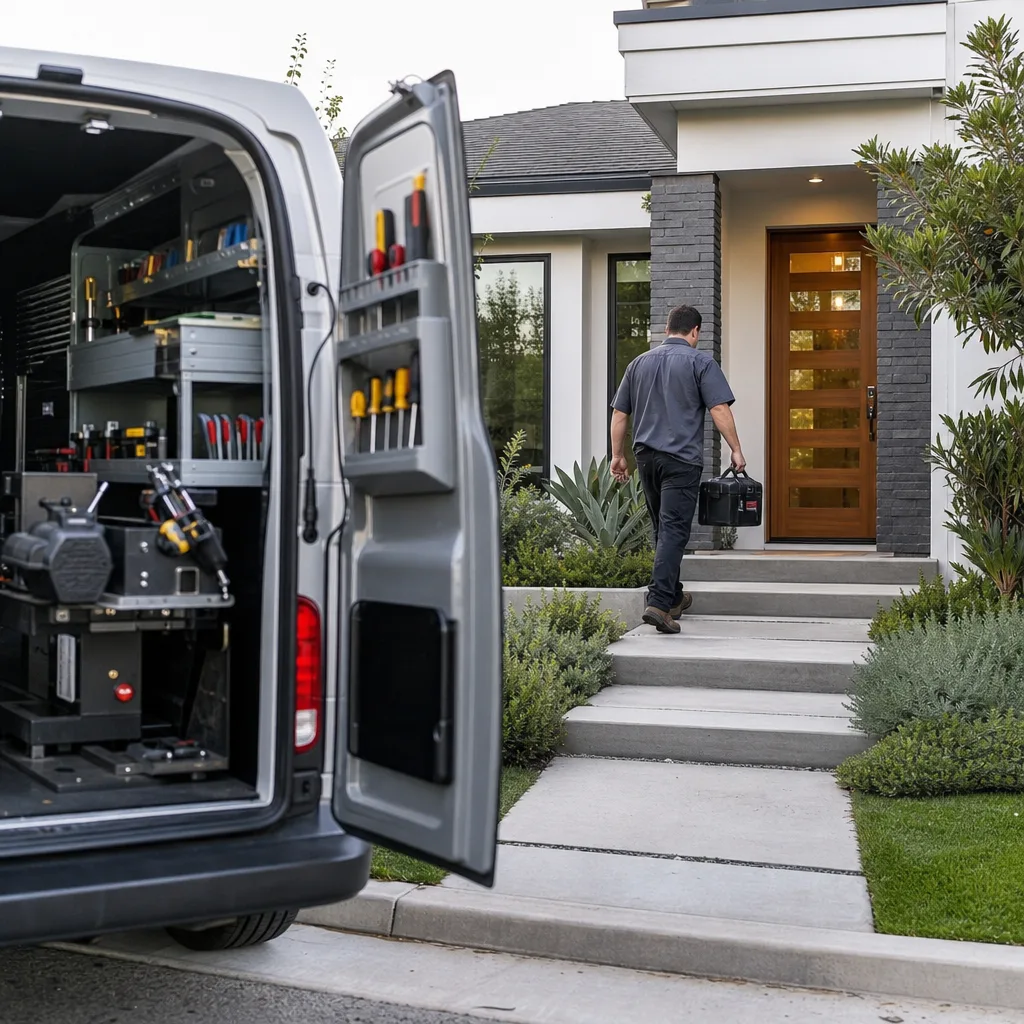
Los Angeles is not a single market. A locksmith based in the San Fernando Valley dispatching to San Pedro faces a ninety-minute drive in traffic. That geography affects pricing in ways that honest companies disclose and dishonest companies exploit.
Traffic and service radius. We define our standard service area as a thirty-mile radius from our central dispatch point. Calls outside that radius incur a disclosed travel surcharge, typically $25-$50, because the technician cannot complete another call in that time window. Companies that advertise “all of Los Angeles” at a flat rate are either absorbing unsustainable travel cost or planning to recover it through invoice padding.
Building code and permit requirements. Los Angeles City Fire Code requires certain commercial and multi-family residential properties to maintain specific egress hardware. Single-family homeowners are generally exempt from permit requirements for lock replacement, but gate installations in hillside areas may trigger Los Angeles Department of Building and Safety review if the gate exceeds six feet or is part of a retaining wall system. For details, read Locksmith Permits, Codes & Inspections in CA: What You Need to Know. A locksmith who does not ask about permit status before quoting is not doing due diligence.
Neighborhood hardware patterns. In Silver Lake and Echo Park, we frequently encounter 1950s-era mortise locks in original doors. These require specialized knowledge and hardware that is not stocked by every van. The labor rate reflects that expertise. In newer construction, Playa Vista or parts of Downtown, smart locks and electronic access systems are standard. The labor is different, not necessarily higher, but the hardware cost increases substantially.
Climate effects. Marine layer moisture in coastal neighborhoods, Santa Monica, Pacific Palisades, Malibu, corrodes standard steel lock components faster than inland areas. We recommend stainless steel or marine-grade finishes for exterior hardware in these zones, which adds $20-$60 per lock in hardware cost but prevents lockout calls at eighteen months when a standard finish has seized. See Seasonal Locksmith Care for Los Angeles: Year-Round Homeowner’s Guide for more climate-specific maintenance tips.
Security environment. Certain Los Angeles neighborhoods have experienced waves of lock-bumping and lock-picking incidents that drive demand for high-security cylinders. Mul-T-Lock and Abloy installations have increased in these areas not because of marketing, but because residents have verified that standard pin-tumbler locks were compromised. The hardware cost is higher; the security gain is measurable.
Common Mistakes to Avoid
- Accepting a verbal quote without asking for the total. “It starts at $45” is not a quote. Ask: “What is the maximum I could pay for this exact job, assuming no complications?”
- Assuming all locksmiths carry the same insurance. In Los Angeles, a general business license is not a locksmith license. Verify CSLB contractor license status and ask for certificate of insurance.
- Buying hardware online and expecting a locksmith to install it. We will install customer-supplied hardware, but we cannot warranty it, and if it is the wrong backset, wrong handing, or missing components, you pay for the return trip. The savings are often illusory.
- Ignoring grade ratings. A $25 deadbolt and a $65 deadbolt are not equivalent. The grade rating, 1, 2, or 3, is the only objective measure of durability and security.
- Not asking about key control. For high-security locks, key duplication should require your authorization and a registered code card. If the locksmith cannot explain the key control policy, the lock is not truly high-security.
- Signing an invoice under pressure. In California, you have the right to a detailed, written invoice before payment. A technician who insists on immediate payment without itemization is violating standard practice.
- Choosing by lowest price in an emergency. The company that answers at 2 a.m. with a live person and a firm quote is not the cheapest. They are the ones who invested in the infrastructure to be reliable. The cheapest 2 a.m. option is usually a call center routing to an independent contractor with no oversight.
When to Call a Professional
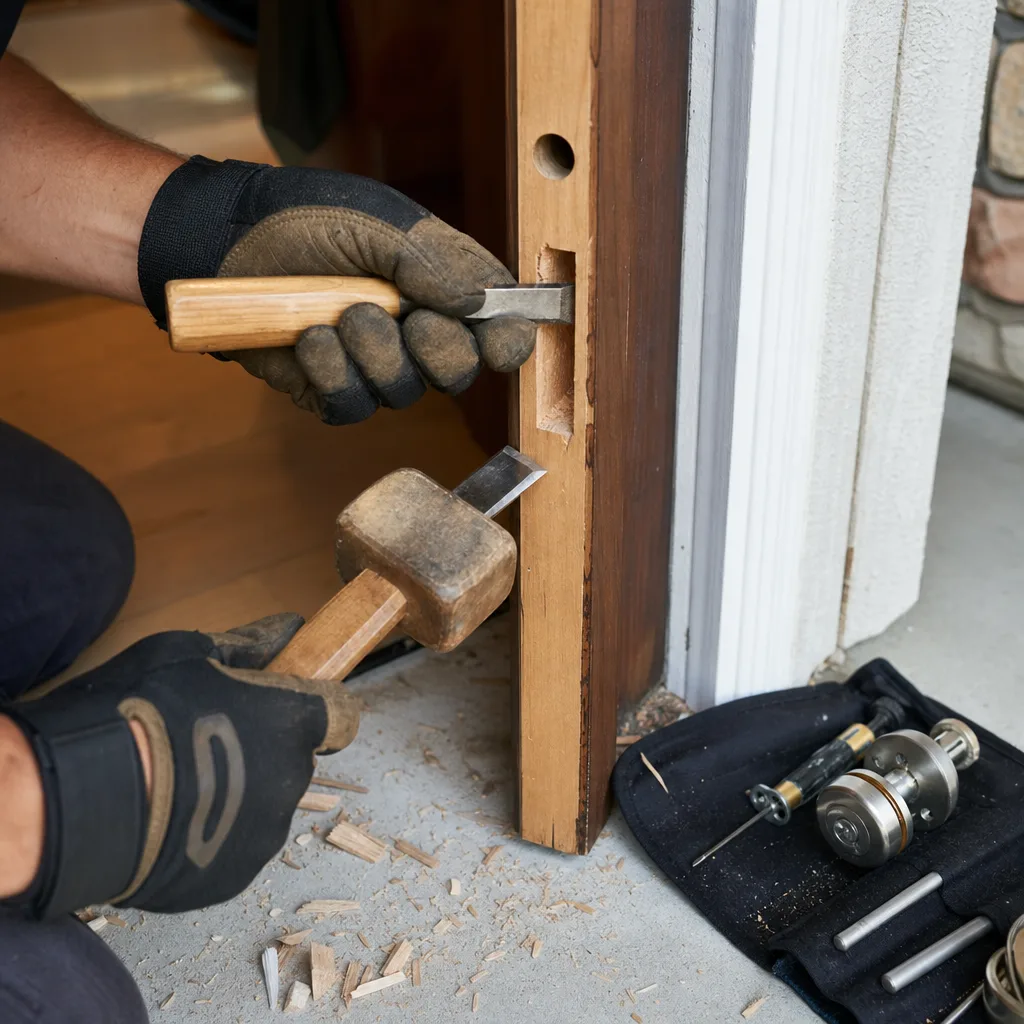
Call a locksmith when you cannot verify the security status of your locks: after moving into a new home, after a break-in or attempted break-in, when keys are lost or stolen, or when a lock becomes difficult to operate. A sticky lock is a failing lock, and forcing it turns a $150 rekey into a $350 replacement.
For Residential Locksmith in Los Angeles services, including lock installation, rekeying, and security assessments, Novak Lock & Security Los Angeles offers free estimates. Every estimate is written, every price is firm, and every technician is background-checked and uniformed. We have installed or serviced over 60,000 locks, keys, and systems since 2002, each with a written price before we started and a documented record when we left.
For commercial properties, access control systems, or master key programming, see our Commercial Locksmith in Los Angeles and Access Control Systems in Los Angeles pages.
Call (213) 632-4875 for a free estimate. A live person answers, 24/7.
Frequently Asked Questions
A standard residential locksmith service in Los Angeles costs $120-$450 in 2026, with lockout entry at the low end and high-security lock installation at the high end. The exact price depends on labor time, hardware grade, and whether the call is after hours. Call (213) 632-4875 for a written estimate with no obligation.
At Novak Lock & Security Los Angeles, yes. Haven Standard Clause 1 prohibits the technician from changing the quoted price at the door. This rule has been in place since 2002. If you are calling another company, ask directly: “Is this price guaranteed on the invoice, or can the technician change it?” If the answer is not a clear yes, the price is not guaranteed.
$35-$75 during standard hours for travel within a defined service area. The fee should cover dispatch, fuel, and initial diagnosis. Fees below this range are typically loss leaders used to acquire customers for invoice inflation. Ask what the fee includes and whether it is credited toward the total.
Because some companies use a transparent flat surcharge ($50-$100) while others apply a hidden multiplier to an inflated base rate. The advertised price is rarely the after-hours price. Ask specifically: “What is the total price for this job at 11 p.m. tonight?”
Yes, but the locksmith cannot warranty hardware they did not supply, and you assume risk if the hardware is incorrect for your door. We have arrived at jobs where the customer purchased a deadbolt with the wrong backset or handing, requiring a second trip. The labor savings were eliminated. We recommend verifying compatibility before purchase or allowing us to specify and supply.
Verify the CSLB contractor license number at cslb.ca.gov. A legitimate locksmith will provide this number without hesitation. Also ask for certificate of insurance and confirm that coverage includes general liability and workers’ compensation. Background checks and uniformed technicians are additional verification points; at Novak Lock & Security Los Angeles, every visit includes a documented photo record left with the customer.
The Bottom Line
Locksmith pricing in Los Angeles is knowable. The legitimate components are three: service call, labor, and hardware, plus tax. After-hours calls add a disclosed surcharge. Anything beyond these lines is suspect. The 2026 market ranges in this guide are derived from actual invoices, competitor estimates reviewed through our free second opinion service, and twenty-three years of written pricing records at Novak Lock & Security Los Angeles. Use them to read any invoice with confidence, to ask questions before signing, and to recognize when a quote is designed to become something else at your door.
The price on the phone should be the price on the invoice. That is not a marketing claim. It is Haven Standard Clause 1, and it is how we have worked since 2002.
Call (213) 632-4875 for a free, written estimate. A live person answers, 24/7.
Written by Daniel Novak, Owner at Novak Lock & Security Los Angeles, serving Los Angeles since 2002.