
Last updated September 22, 2026
Non-destructive entry first, always - and we re-key Schlage, Kwikset, and Baldwin locks on the spot while you watch
You get a price before we start. It does not change when we arrive. No surprises.
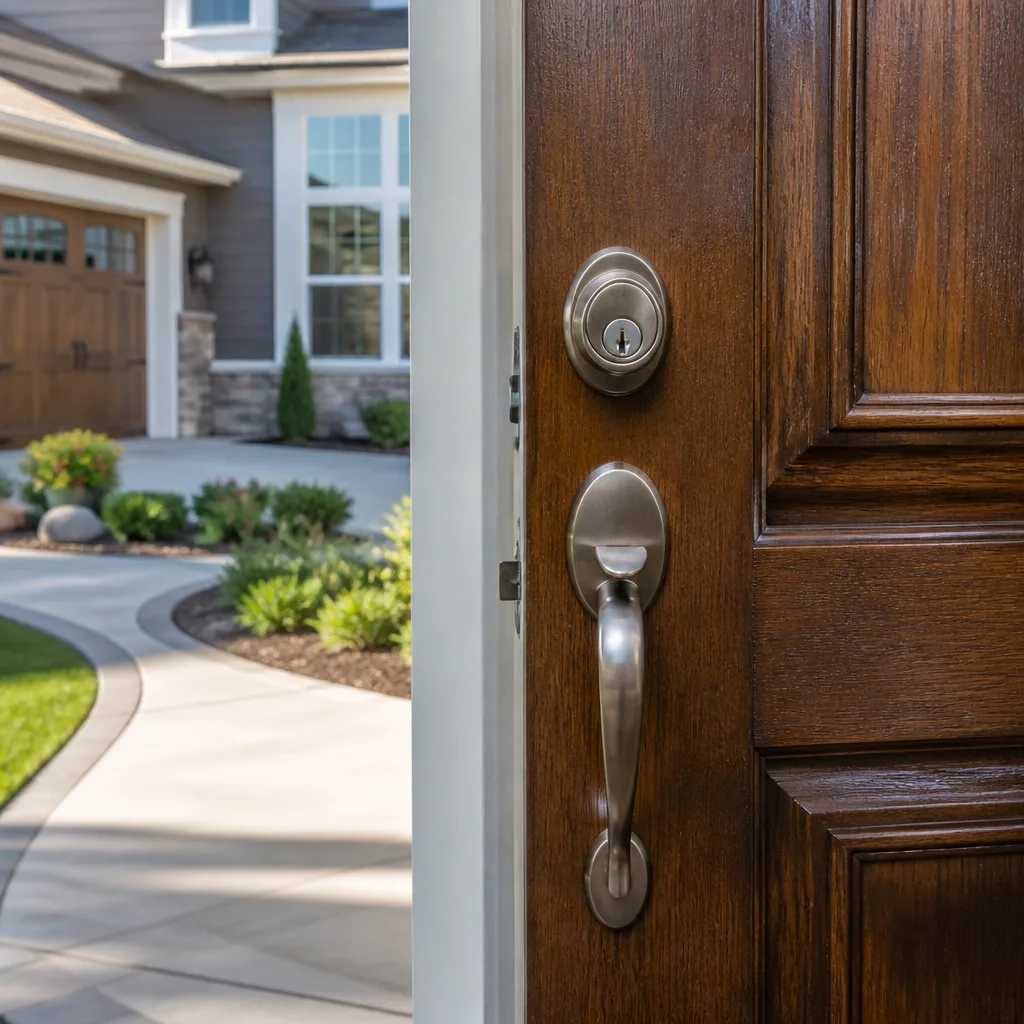
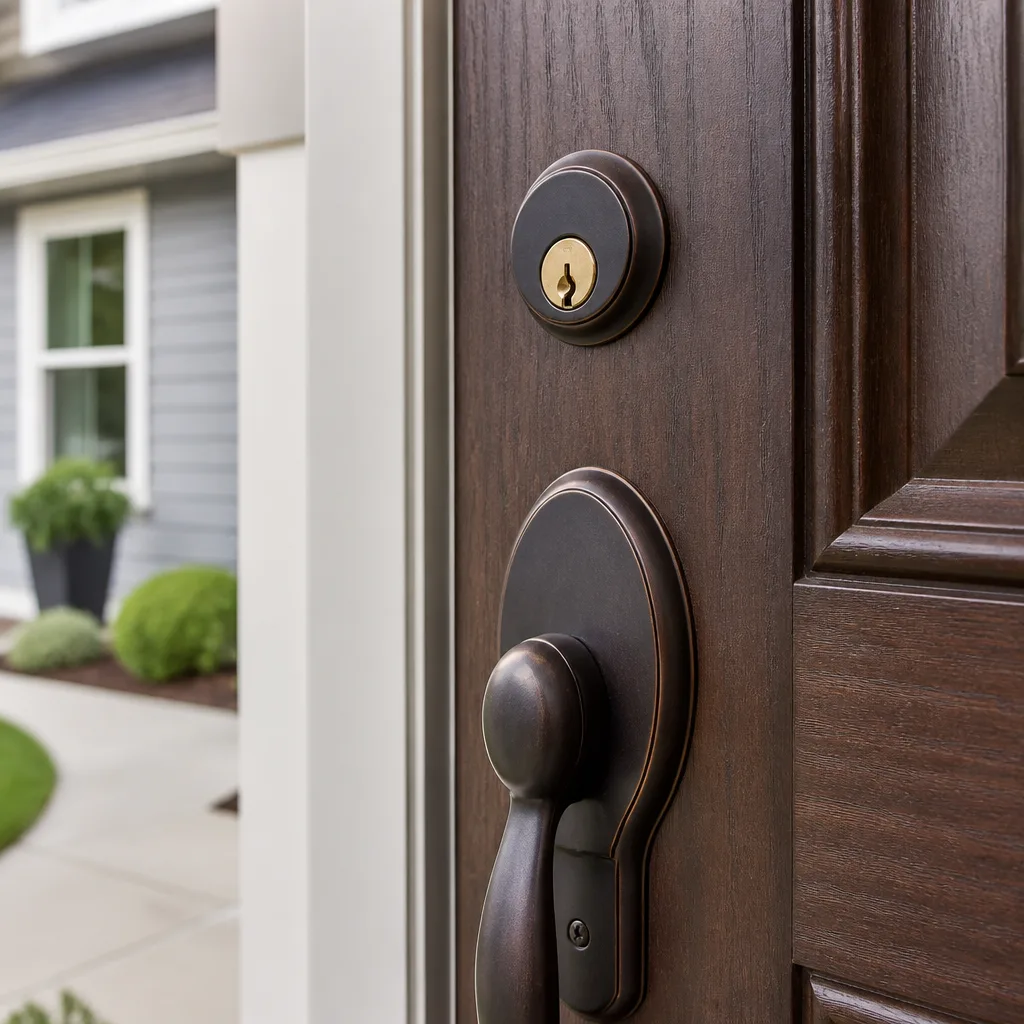
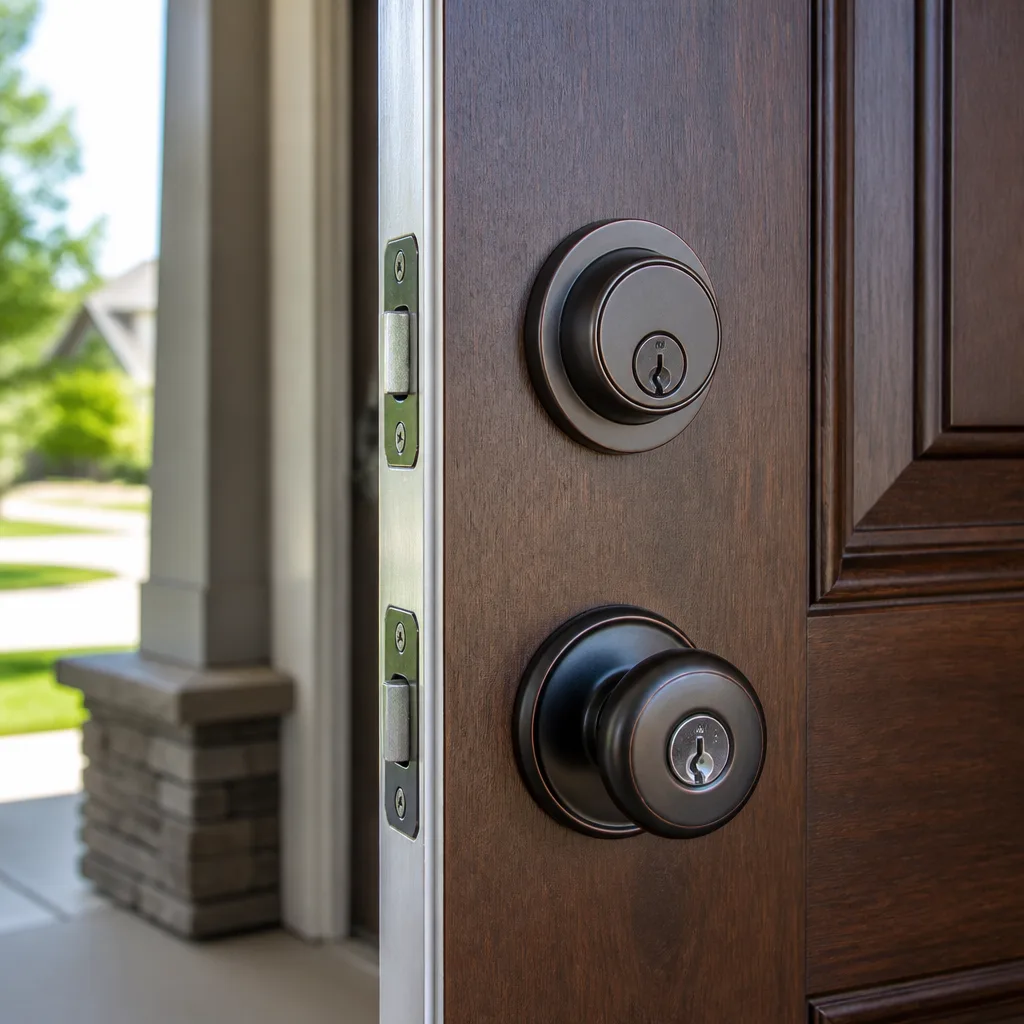
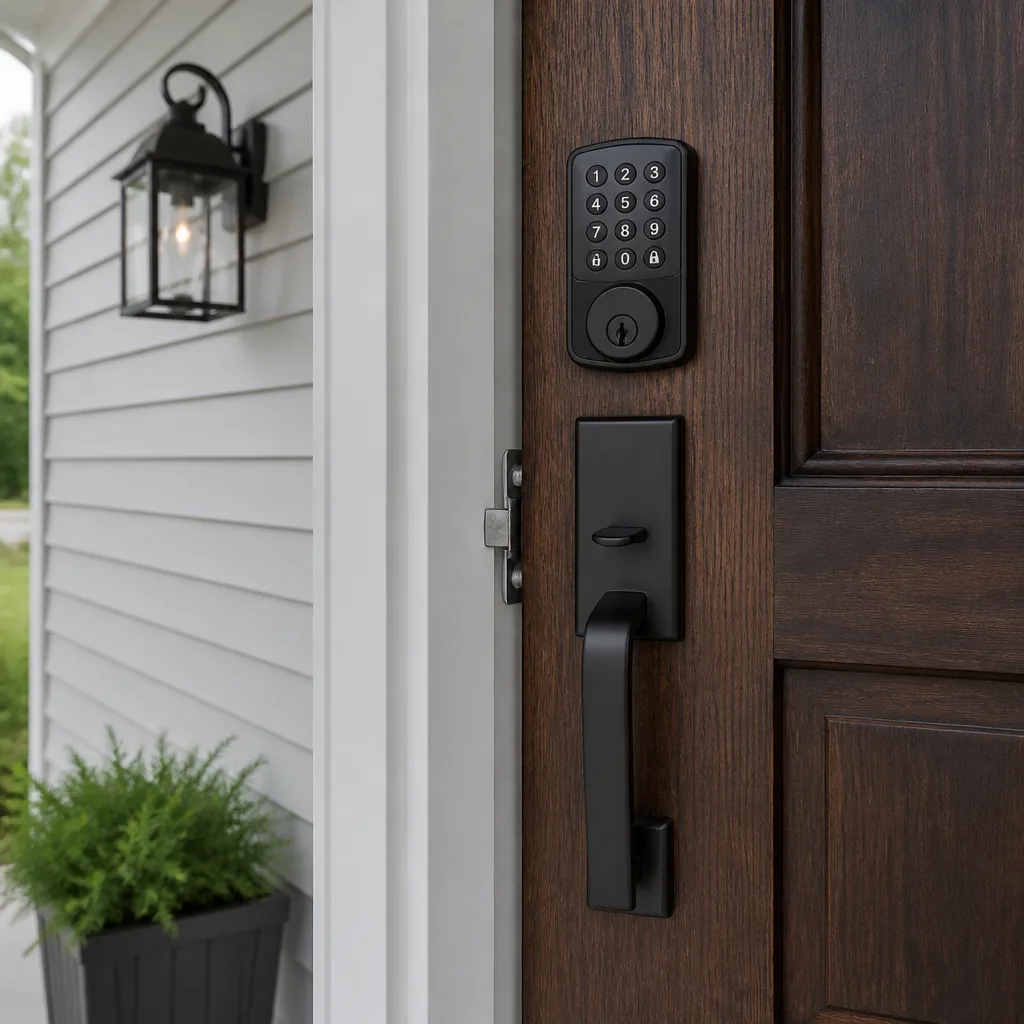
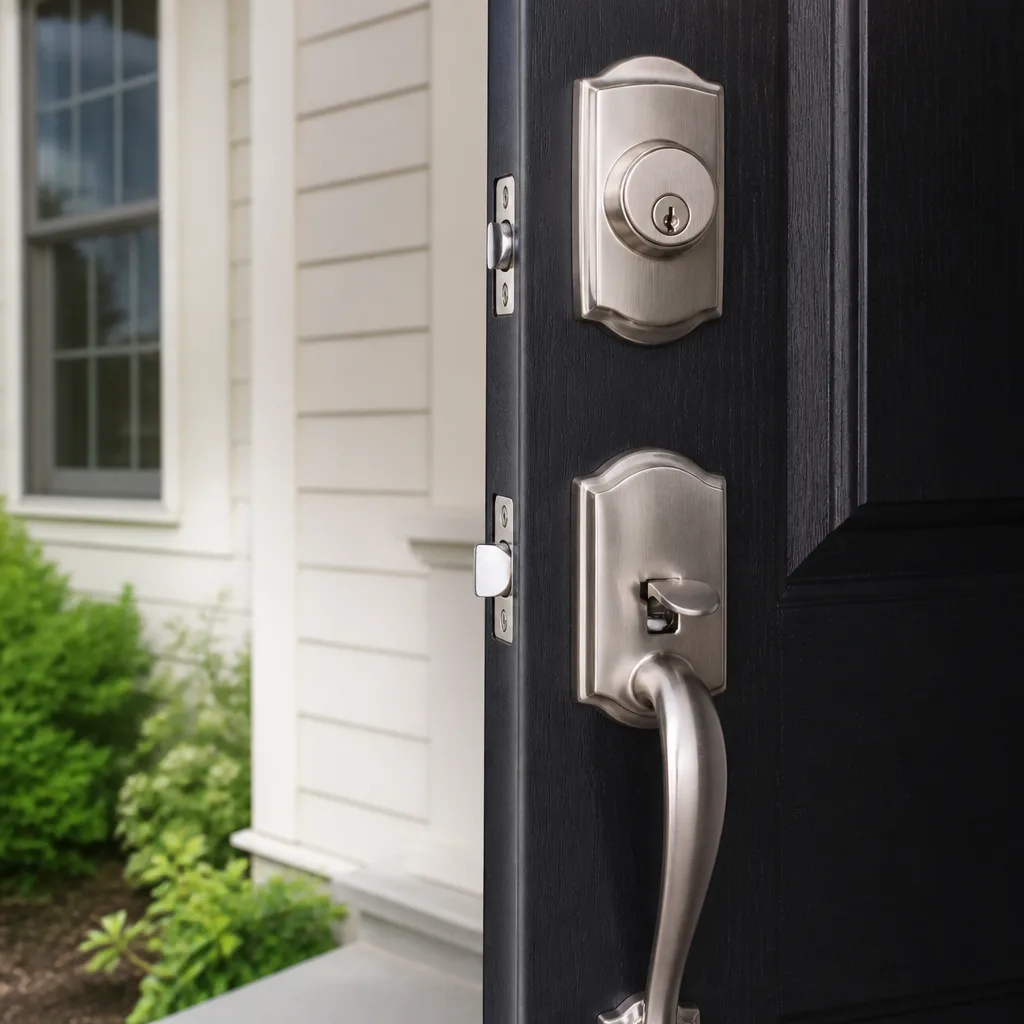
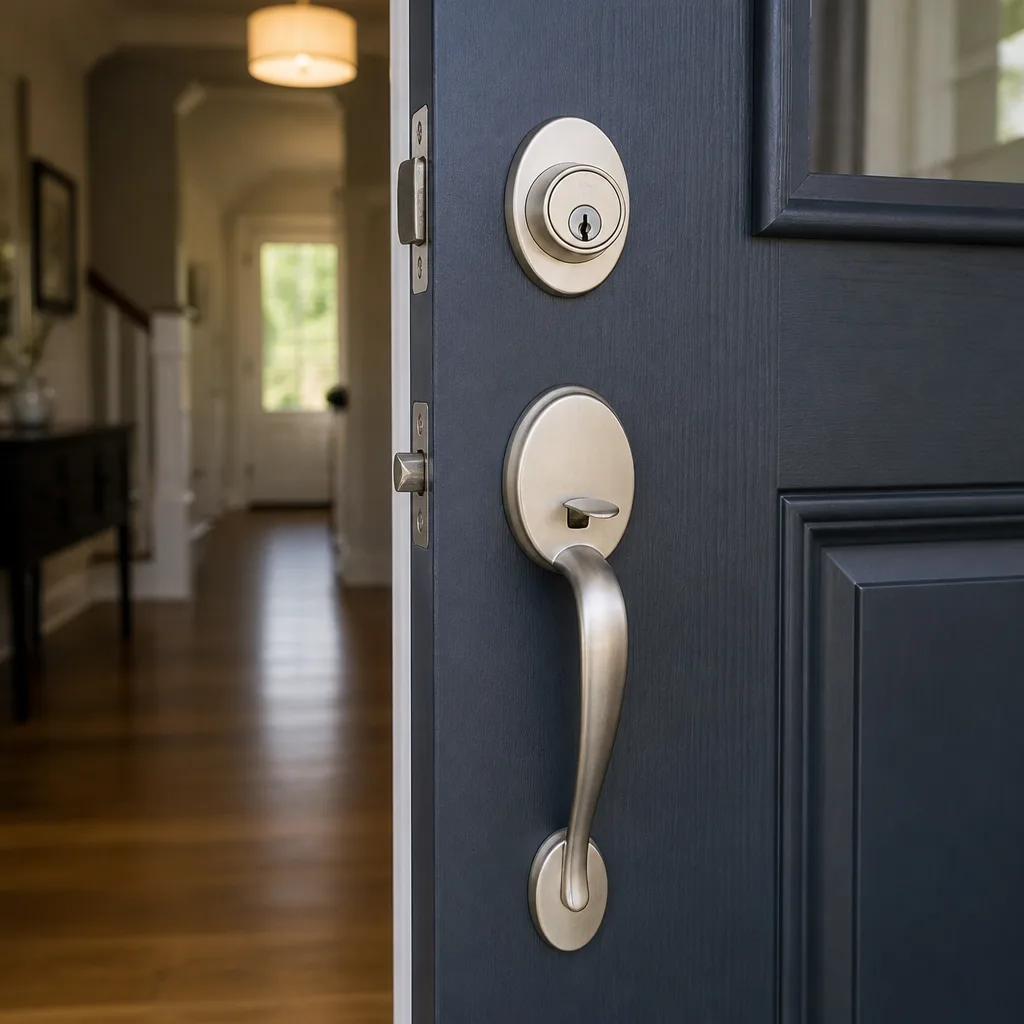
The Complete Guide to Locksmith in Los Angeles
The California State License Board logged more locksmith-related complaints in Los Angeles County last year than in the next three California cities combined - not because LA has more locks, but because it has more bait-and-switch operators posing as local companies. This guide maps the full landscape of legitimate locksmith services in Los Angeles so you can match the right credential and service type to your specific situation before you ever pick up the phone, or explore more guides & resources for additional context. You’ll learn how to verify a license in under a minute, why “local” doesn’t always mean local in this market, what services actually cost, and how to spot a written price confirmation that will hold up at your door.
Quick Answer
A legitimate locksmith in Los Angeles holds a CSLB C-28 Lock and Security Equipment contractor license, quotes a firm written price before dispatch, and arrives in a marked vehicle with uniformed technicians. Most residential jobs - lockouts, rekeys, deadbolt replacements - run $120-$350 and are completed in 30-60 minutes. Commercial and automotive work requires different expertise and licensing tiers, which is why most reputable operations specialize rather than claim to do everything equally well.
Table of Contents

- How to Verify a Locksmith’s CSLB License in 60 Seconds
- Residential, Commercial, and Automotive Licensing Tiers in California
- What “Local Locksmith” Actually Means in Los Angeles
- Every Common Locksmith Service: Time, Cost, and What to Expect
- What a Legitimate Written Price Confirmation Looks Like
- How to Choose the Right Locksmith for Your Situation
- Lock Brands and Hardware Grades Explained
- Common Mistakes to Avoid
- When to Call a Professional
- Frequently Asked Questions
- The Bottom Line
How to Verify a Locksmith’s CSLB License in 60 Seconds
Every legitimate locksmith in Los Angeles must carry a C-28 Lock and Security Equipment contractor license issued by the California State License Board. This is not optional, not a business registration, and not a city permit. It is a state-level contractor license with bonding and insurance requirements that protect the consumer.
Here is the exact verification process:
- Go to cslb.ca.gov and click “Check License.”
- Enter the company’s license number or business name.
- Confirm the license status reads “Active” and the classification includes “C-28.”
- Verify the business name matches the one on the website or advertisement.
- Check the “Workers’ Compensation” section for coverage if employees are present.
- Note the license issue date - a brand-new license with no history is not automatically disqualifying, but it warrants additional scrutiny.
What you are looking for specifically: a C-28 classification, an active status, and a business name that matches what you were told on the phone. If the dispatcher cannot or will not provide a license number, that is a terminal red flag. At Novak Lock & Security Los Angeles, we provide our CSLB number on every quote and encourage verification before booking.
Be aware of a common evasion tactic. Some operations claim to be “licensed” under a general B General Building contractor license. A B license does not authorize lock and security equipment work. Only C-28 covers locksmithing specifically. We have encountered Los Angeles homeowners who paid for rekeys performed by unlicensed individuals dispatched through national call centers, then had no recourse when the work failed.
CSLB complaints in Los Angeles County skew heavily toward two issues: final bills exceeding verbal quotes by 200-400%, and technicians who arrive without proper licensing or insurance. Verification takes one minute and eliminates most of this risk.
Residential, Commercial, and Automotive Licensing Tiers in California
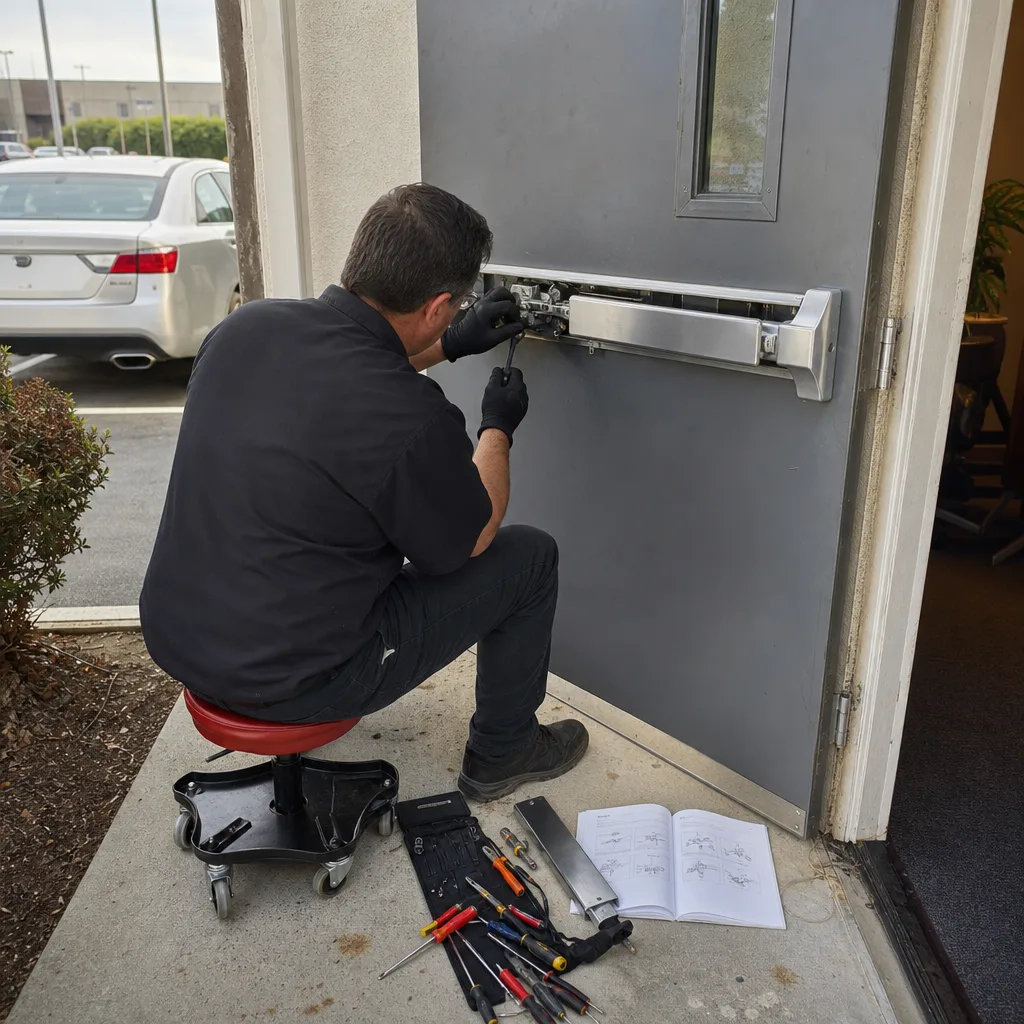
California does not issue separate locksmith licenses for residential, commercial, and automotive work. A single C-28 license covers all three categories. However, the skills, tools, and knowledge required for each are substantially different, which is why most legitimate operations in Los Angeles emphasize one or two areas rather than claiming equal expertise across all three.
Residential locksmithing focuses on single-family homes, apartments, and condominiums. The work is primarily mechanical: rekeying pin-tumbler cylinders (the internal mechanism that matches a key to a lock), installing deadbolts, repairing or replacing door hardware, and responding to lockouts. In Los Angeles, residential work also involves navigating the security requirements of specific neighborhoods - gated communities in Bel Air with proprietary keyways, mid-century homes in the Hollywood Hills with vintage mortise locks, or new construction in Playa Vista with smart lock integration.
Commercial locksmithing requires understanding of master key systems (a hierarchical keying structure where one key opens multiple doors and subordinate keys open subsets), panic hardware (crash bars required by fire code on egress doors), access control systems (electronic entry managed by keycards, fobs, or biometrics), and ADA compliance for hardware height and operation force. Los Angeles commercial buildings face additional complexity: the city’s seismic retrofit requirements affect door frame alignment, which in turn affects lock function. A commercial locksmith in Los Angeles must understand how building movement impacts hardware over time.
Automotive locksmithing is the most equipment-intensive category. Modern vehicle keys contain transponder chips that must be programmed to the car’s immobilizer system. This requires specialized diagnostic tools, ongoing software subscriptions, and continuous training as manufacturers update their systems. Many C-28 licensees do not invest in automotive capability because the equipment costs run into the tens of thousands annually and the technology changes rapidly.
At Novak Lock & Security Los Angeles, our primary focus is residential and commercial work. We handle basic automotive lockouts but refer complex transponder programming and key replacement to dedicated automotive specialists in the Los Angeles area. This is not a limitation - it is an honest assessment of where our expertise and equipment deliver the best outcome. A contractor who claims to do everything equally well is typically doing at least one category poorly, as covered in our DIY vs Professional Locksmith: The Los Angeles Homeowner’s Decision Guide.
For commercial work specifically, see our detailed coverage at Commercial Locksmith in Los Angeles.
What “Local Locksmith” Actually Means in Los Angeles
The term “local locksmith” has been rendered nearly meaningless in Los Angeles through a specific business model that exploits geographic confusion. Understanding how it works will save you from the most common scam in the trade.
Here is the structure: a national or regional lead-generation company purchases hundreds of phone numbers with Los Angeles area codes - 213, 310, 323, 424, 626, 818. These numbers are assigned to fictitious business names like “West Hollywood Locksmith” or “Van Nuys Lock & Key.” When you call, you reach a call center, often in another state. The operator quotes a low verbal price, takes your address, and dispatches an independent contractor who may be driving from Riverside, San Bernardino, or even farther. The contractor has no relationship to the name you called, no local reputation to protect, and every incentive to inflate the price once they arrive.
Several indicators reveal this model:
- The business address on the website is a UPS store, virtual office, or cannot be found on Google Street View.
- The phone is answered with a generic phrase - “Locksmith services, how can I help?” - rather than a specific business name.
- The dispatcher cannot name a specific Los Angeles neighborhood or landmark near the supposed location.
- The quoted price is suspiciously low ($15-$35 service call) with vague language about “labor and parts additional.”
- The technician arrives in an unmarked personal vehicle, not a company van or truck.
A genuinely local locksmith in Los Angeles has a physical shop or service yard you can locate, technicians who live in the metro area and know the street grid, and a reputation that depends on repeat business and neighborhood word-of-mouth. In our experience serving Los Angeles since 2002, the difference shows up in response time and in accountability. A technician who knows they may see you again at the grocery store, or whose children attend school with yours, has a different calculation than a transient contractor with no local stake.
The geographic scale of Los Angeles compounds this problem. A “local” operation with a Downtown LA phone number may consider a call to Pacific Palisades or San Pedro out of territory. When you call, ask specifically: “Do you dispatch technicians to [your neighborhood] from a location within Los Angeles County?” If the answer is evasive, keep calling.
Every Common Locksmith Service: Time, Cost, and What to Expect

The following ranges reflect our experience in the Los Angeles market. Prices vary by hardware grade, door condition, and time of day. Every figure below is quoted in writing before we dispatch, per Haven Standard Clause 1.
| Service | Typical Range | Time Required | Notes |
|---|---|---|---|
| Home lockout (standard pin-tumbler) | $120-$180 | 15-30 min | After-hours (10 PM-6 AM) adds 25-35% |
| Lock rekey (per cylinder) | $25-$45 | 10-15 min/cylinder | Minimum service fee may apply for single cylinder |
| Deadbolt installation (new bore, standard grade) | $150-$250 | 30-45 min | Metal doors or gate installations add complexity |
| Deadbolt replacement (existing bore) | $120-$200 | 20-30 min | Includes removal and disposal of old hardware |
| Master key system (small commercial, 5-10 cylinders) | $400-$800 | 2-4 hours | Requires on-site evaluation for exact pinning chart |
| High-security cylinder installation (Medeco, Mul-T-Lock) | $280-$450 | 30-60 min | Includes registered key control documentation |
| Smart lock installation (residential) | $180-$320 | 45-90 min | Wi-Fi configuration and app setup included |
| Safe lockout (mechanical combination) | $200-$400 | 1-3 hours | Drilling required if manipulation fails; additional cost |
| Commercial panic hardware repair | $250-$500 | 1-2 hours | Parts availability affects timeline |
These ranges assume standard conditions: wood or hollow metal doors in good repair, daytime service, and accessible hardware. Los Angeles-specific factors that can shift costs upward include: stucco or masonry walls requiring specialized anchors, security gates with welded lock boxes, hillside homes with settling frames that bind hardware, and the premium-grade locks common in newer construction in neighborhoods like Brentwood, Pacific Palisades, and the Hollywood Hills.
Rekeying deserves particular attention because it is the most frequently needed and most commonly misunderstood service. Rekeying means changing the internal pin configuration of an existing lock so that old keys no longer operate it and new keys do. It does not mean replacing the lock. If your hardware is in good condition and matches your security needs, rekeying is the economical choice. We have rekeyed Kwikset and Schlage locks in Los Angeles homes that were installed in the 1980s and remain functionally sound.
For residential service details, see Residential Locksmith in Los Angeles.
What a Legitimate Written Price Confirmation Looks Like
The bait-and-switch problem in Los Angeles locksmithing is not subtle. A customer calls for a lockout, is quoted “$29 service call plus labor,” and receives a final bill of $289. The technician claims the lock was “high security” (it was not), that drilling was required (it was not), or that “after-hours rates apply” (the call was at 3 PM). This pattern is so well-documented that the CSLB has issued specific consumer alerts about it.
A legitimate written price confirmation eliminates every vector for this deception. Here is what it contains:
- Service address - the exact location where work will be performed.
- Service description - “Rekey 3 Schlage deadbolts and 2 entry knobsets” or “Unlock front door, standard residential pin-tumbler lock.”
- Total price - one figure, inclusive of labor, parts, and service call. Not a range. Not “plus parts.” One number.
- Hardware specification - if hardware is being installed, the brand, series, and finish are named.
- Technician identification - name or ID number of the assigned technician.
- Price guarantee language - explicit statement that the quoted price is the maximum charge for the described work.
- Company license number - for CSLB verification.
- Expiration - the quote is valid for a defined period, typically 30 days for scheduled work or until dispatch for emergency calls.
At Novak Lock & Security Los Angeles, our written confirmations include all eight elements. Haven Standard Clause 1 states: the price on the phone is the price on the invoice. Our technicians are contractually prohibited from altering the quoted price at the door. This rule has been in place since 2002. The only exception is if the customer requests additional work not covered by the original quote - in which case a new written confirmation is generated before that work begins.
What a legitimate confirmation does NOT contain: vague language like “starting at,” open-ended references to “parts additional,” or a verbal-only quote with nothing in writing. If you do not receive a written confirmation with a total price before the technician is dispatched, you are not receiving a firm quote. You are receiving a teaser.
The documented photo record we leave with every customer serves as additional verification. You receive timestamped images of the hardware condition before work began, the installed or repaired hardware after completion, and the technician’s uniformed presence at your property. This is standard procedure, not an upgrade.
How to Choose the Right Locksmith for Your Situation
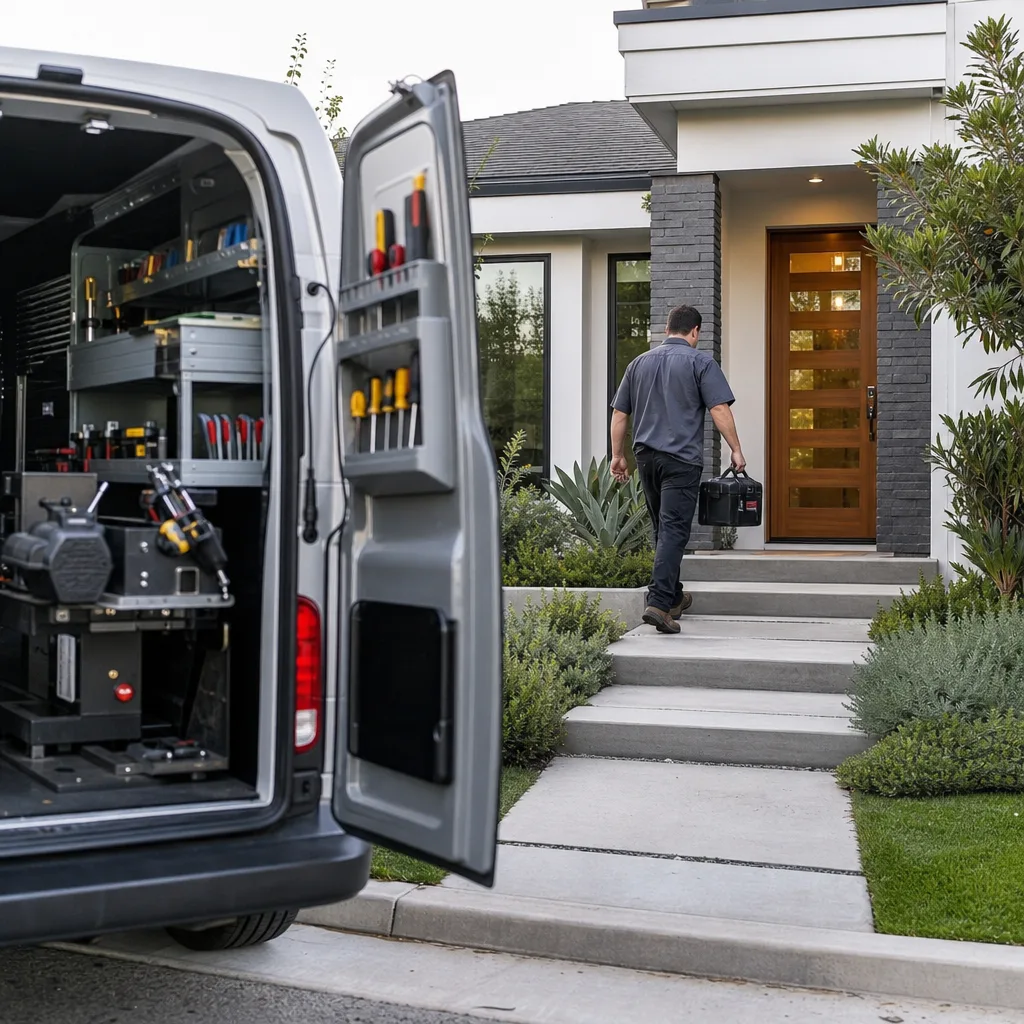
Selection should follow from your specific need, not from which company has the most aggressive advertising. Here is a decision framework based on what we have observed across 60,000+ jobs in Los Angeles since 2002.
For a home lockout: Speed and verification matter most. You need a C-28 licensee who dispatches from within Los Angeles County, quotes a firm total price, and can describe how they will gain entry without drilling. Most residential lockouts are resolved with manual picking or bypass techniques that leave no damage. Ask specifically: “Under what conditions would you need to drill this lock?” If the answer is immediate or evasive, call someone else.
For a new home purchase: Rekey all exterior cylinders, including garage door locks and side-entry doors that previous owners may have forgotten existed. In Los Angeles, where turnover is high and rental properties common, we frequently find that “all locks were changed” by the seller actually meant “the front door was rekeyed and nothing else.” A complete rekey of a typical 3-bedroom home runs $200-$350 and takes 60-90 minutes.
For a security upgrade: Define the threat model first. Are you addressing a recent break-in, a lost key with unknown copies in circulation, or a general desire for higher security? The answer determines whether you need grade 2 commercial hardware on a residential door, high-security cylinders with restricted keyways, or a full access control system. For access control specifically, see Access Control Systems in Los Angeles.
For a business: Commercial work requires a different evaluation. Ask about master key system design capability, panic hardware installation and repair, and whether the contractor carries liability insurance sufficient for commercial properties (typically $1 million or more). Request references from similar businesses in Los Angeles. A contractor who installs locks for retail strip malls in the San Fernando Valley may not have experience with the access control needs of a Downtown LA high-rise.
For automotive work: Verify that the contractor has current programming capability for your specific vehicle make and model. Key programming is not generic. A locksmith who can program a 2019 Honda may not be equipped for a 2022 BMW. Ask for the specific tool or software they will use. If they cannot name it, they likely do not have it.
Across all categories, the same baseline applies: CSLB verification, written price confirmation, local dispatch, and documented accountability. These four elements separate legitimate operations from the complaint-generating segment of the market.
Lock Brands and Hardware Grades Explained
Lock hardware in the United States is graded by ANSI/BHMA standards: Grade 1 (highest residential/commercial security), Grade 2 (mid-tier, common in residential and light commercial), and Grade 3 (basic, entry-level). Understanding these grades prevents paying Grade 1 prices for Grade 3 security.
Schlage is the most widely recognized residential brand in Los Angeles. Their B60N deadbolt is a Grade 1 residential lock at a moderate price point, and their commercial line (primarily ND and L series) dominates office buildings nationwide. We install and service Schlage hardware regularly and are factory-authorized for their high-security and electronic lines.
Kwikset holds the largest market share in entry-grade residential hardware. Their SmartKey rekey technology allows homeowners to rekey their own locks without disassembly, which is useful for rental properties or frequent turnover. However, early SmartKey versions had known vulnerabilities to forced entry. Current generations (SmartKey Security) have addressed these issues. Kwikset remains appropriate for low-to-moderate security needs and budget-conscious installations.
Medeco and Mul-T-Lock represent high-security mechanical cylinders. These locks use patented keyways that cannot be duplicated without authorization, pick-resistant pin configurations, and drill-resistant hardened inserts. They are appropriate for Los Angeles properties where key control is critical - commercial buildings, multi-unit residential with high turnover, or homes in areas with documented burglary patterns. Installation costs more, but the security gain is measurable and the key control is absolute.
Yale has transitioned from a traditional mechanical lock manufacturer to a leader in residential smart locks. Their Assure line integrates with major home automation platforms and is common in newer Los Angeles construction. We install Yale smart locks and provide integration support, though we advise customers to maintain a mechanical backup - electronic locks have batteries, and batteries fail.
The Los Angeles climate affects hardware selection more than many residents realize. Salt air in coastal neighborhoods like Venice, Marina del Rey, and San Pedro accelerates corrosion in standard steel components. For these areas, we specify marine-grade finishes or solid brass construction, even at higher initial cost. Inland valleys with extreme heat - the San Fernando Valley in summer - can cause thermal expansion in cheap zinc castings, leading to binding and premature failure. We have replaced more failed Grade 3 locks in Van Nuys and Reseda than in cooler coastal zones, not because of usage patterns but because of material quality inadequate to the thermal cycling.
Common Mistakes to Avoid
- Booking based on the lowest Google ad price. The $19 service call is a well-documented bait tactic. The average final bill from these operations in Los Angeles runs $250-$450 for work that legitimate contractors quote at $120-$180.
- Accepting a verbal quote as binding. Without written confirmation, the quoted price has no standing. Technicians operating under national dispatch models are incentivized to maximize the invoice.
- Assuming all C-28 licensees are equal. The license verifies minimum competency and bonding. It does not verify specialization, equipment, or business ethics. Cross-reference with CSLB complaint history.
- Neglecting side and rear doors during a rekey. In Los Angeles, where many homes have multiple access points, we regularly find that new homeowners rekey the front door and forget garage service doors, side gates, and pool equipment enclosures.
- Installing smart locks without mechanical backup. When batteries die or Wi-Fi fails, you need a key. We have responded to lockouts where the smart lock failed and no override key had been cut.
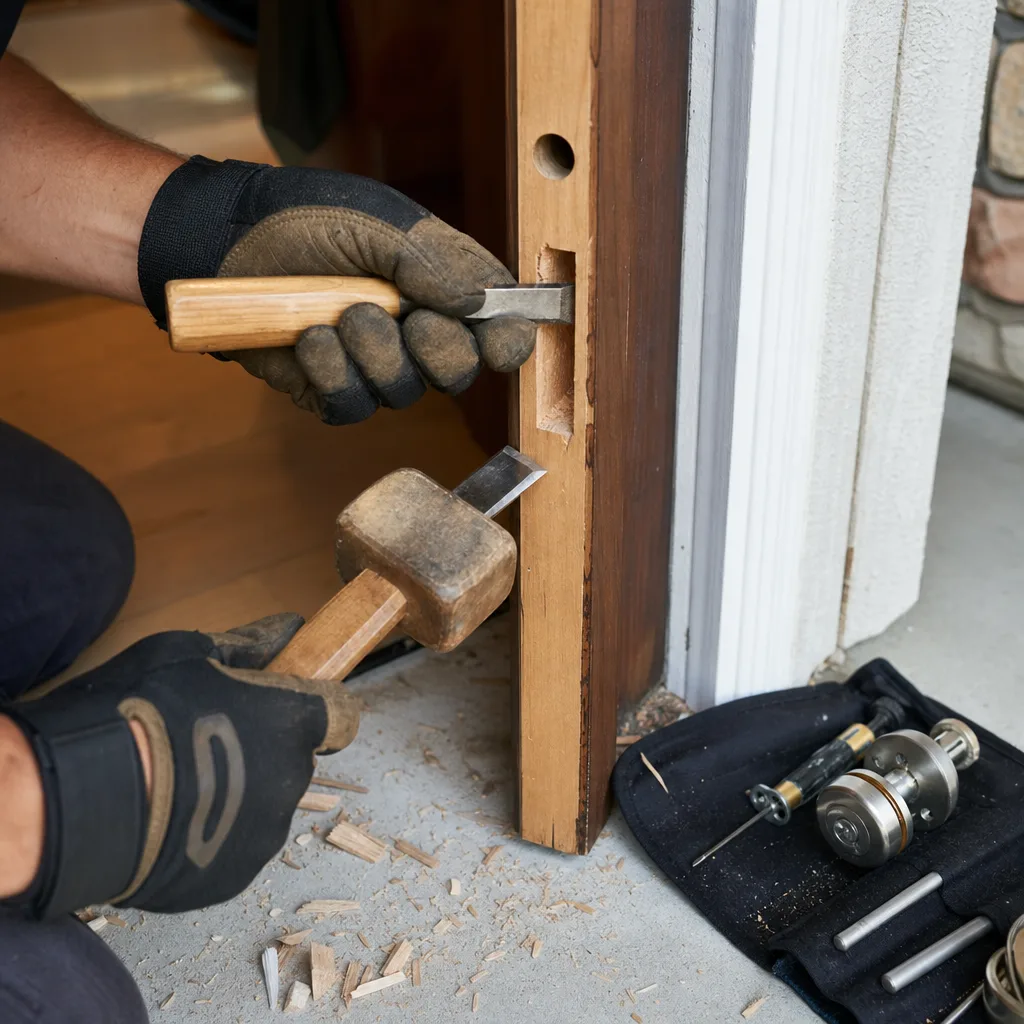
- Hiring a general handyman for lock work. Door hardware installation requires specific knowledge of strike alignment, latch throw depth, and code compliance. Improperly installed locks fail prematurely or create security gaps.
- Failing to verify that “local” means local. A 323 area code routes to a call center as easily as a local shop. Confirm physical presence in Los Angeles County before booking.
When to Call a Professional
Call a licensed locksmith when you are locked out of any property, when keys are lost or stolen, when moving into a new home or commercial space, when locks show visible wear or malfunction, or when your security needs have changed due to a break-in, household change, or business reorganization. In Los Angeles, where many properties have been renovated multiple times, we also recommend professional evaluation when doors have been modified - added deadbolts on hollow-core doors, for instance, create a security illusion without substance.
Novak Lock & Security Los Angeles offers free estimates in Los Angeles - call (213) 632-4875. We will describe the work, name the price, and leave the decision with you. No dispatch without written confirmation. No surprise at the door.
Frequently Asked Questions
Most residential locksmith services in Los Angeles range from $120 for a basic lockout to $350 for complex rekeying or hardware installation. Commercial and automotive work varies more widely based on scope; see our Locksmith Cost Breakdown: The Los Angeles Homeowner’s Reference for 2026 for detailed pricing factors. At Novak Lock & Security Los Angeles, we quote a firm total price before dispatch - the price on the phone is the price on the invoice, per Haven Standard Clause 1. Call (213) 632-4875 for a written estimate with no obligation.
Yes. Our written price confirmation states the maximum charge for the described work, and our technicians are contractually prohibited from changing it at your door. The only exception is if you request additional services not covered by the original quote, in which case a new written confirmation is generated before any additional work begins. This rule has been in place since 2002.
Response time depends on your location, time of day, and current dispatch load. For emergency lockouts in central Los Angeles neighborhoods, typical arrival is 20-45 minutes. For outlying areas or during peak demand periods, 45-90 minutes is more realistic. We do not quote times we cannot meet. When you call (213) 632-4875, we give you an honest estimate based on technician location and traffic conditions.
Request the CSLB license number and verify it at cslb.ca.gov. Confirm the license is active, includes C-28 classification, and matches the business name you were given. The entire process takes under 60 seconds. Any legitimate locksmith will provide this number willingly. Evasion is a disqualifying signal.
Rekey if the existing hardware is in good condition and meets your security needs. Replace if the locks are worn, damaged, or below the security grade appropriate for your property. In Los Angeles, where many homes have mixed hardware from previous renovations, we often recommend a hybrid approach: rekey the functional locks, replace the substandard ones, and audit for forgotten access points like garage service doors and side gates.
Standard locks, including most residential Kwikset and Schlage products, use pin-tumbler cylinders that can be picked with common tools and bumped with commercially available devices. High-security locks like Medeco and Mul-T-Lock use patented key control (keys cannot be duplicated without authorization), pick-resistant pin configurations, and hardened components that resist drilling. The security gain is substantial; the cost is 2-3x for hardware. For Los Angeles properties with specific threat profiles - recent break-ins, high-value contents, or uncontrolled key distribution - high-security cylinders are a rational investment.
Yes, with evaluation. Many pre-1970 Los Angeles homes have door thicknesses or backset measurements that differ from modern standards. Some smart locks require door modification. We assess the existing door and frame before recommending specific smart lock models. We also ensure a mechanical key override is available and functional. Yale and Schlage smart locks are common choices for Los Angeles retrofits, with integration options for major home automation platforms.
The Bottom Line
The locksmith problem in Los Angeles is primarily a selection problem. The tools to solve it are available to every consumer: CSLB license verification, written price confirmation before dispatch, and awareness of how the national call-center model operates. Legitimate locksmiths exist throughout Los Angeles, but they do not advertise with $19 service calls or hide their credentials. They name their price in writing, arrive in marked vehicles, and stand behind their work with documented accountability. The 365-Day Done Right Promise, the written price guarantee, and the documented photo record are not marketing language at Novak Lock & Security Los Angeles - they are procedures, applied to every job, because a real name on the van and the invoice is the whole argument in a trade built on trust.
Written by Daniel Novak, Owner at Novak Lock & Security Los Angeles, serving Los Angeles since 2002.