
Last updated September 22, 2026
Non-destructive entry first, always - and we re-key Schlage, Kwikset, and Baldwin locks on the spot while you watch
You get a price before we start. It does not change when we arrive. No surprises.
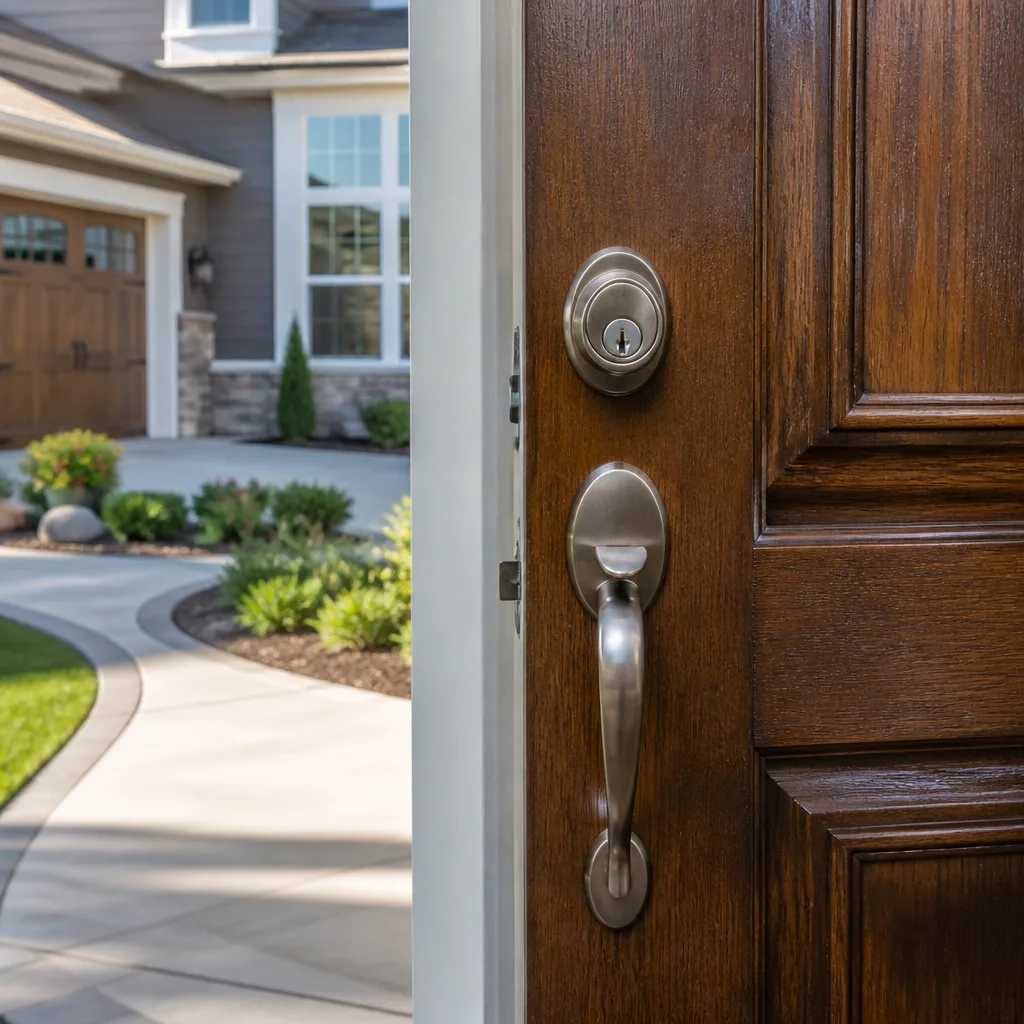
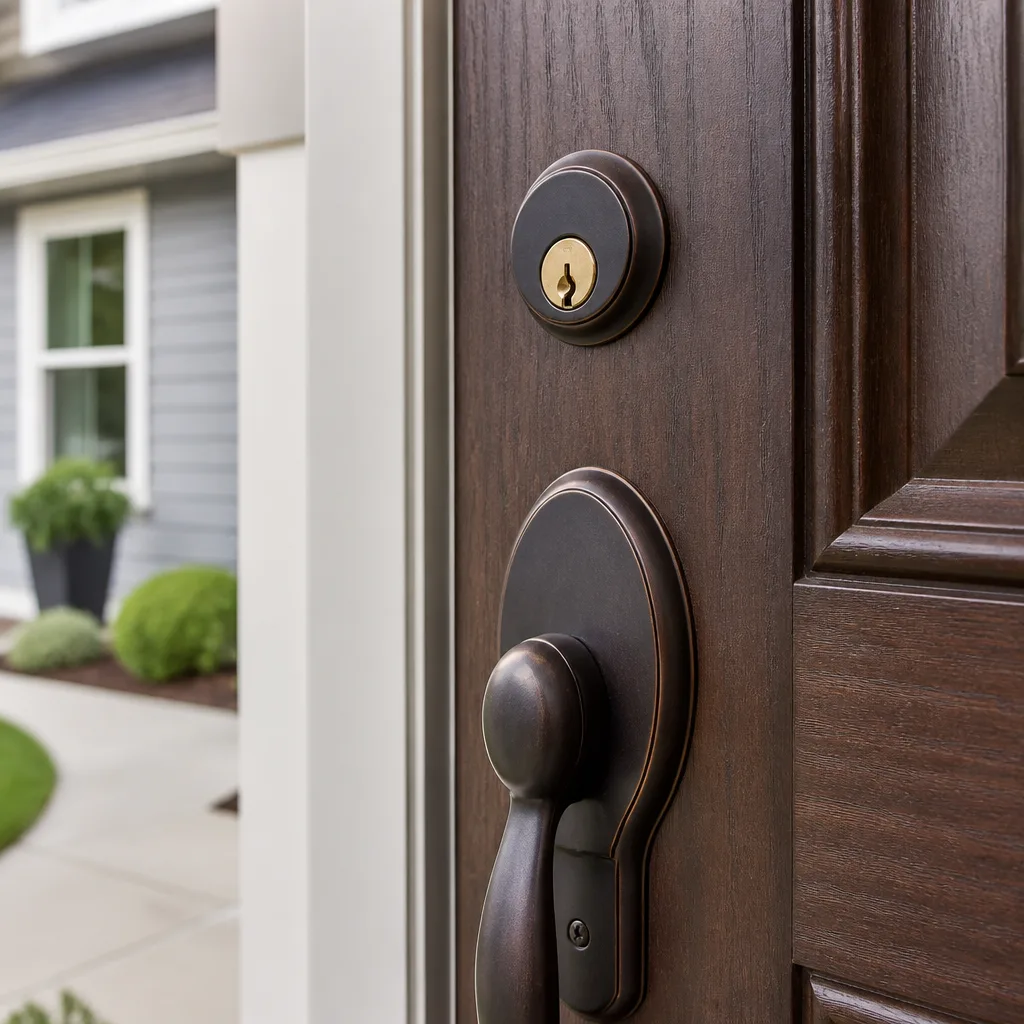
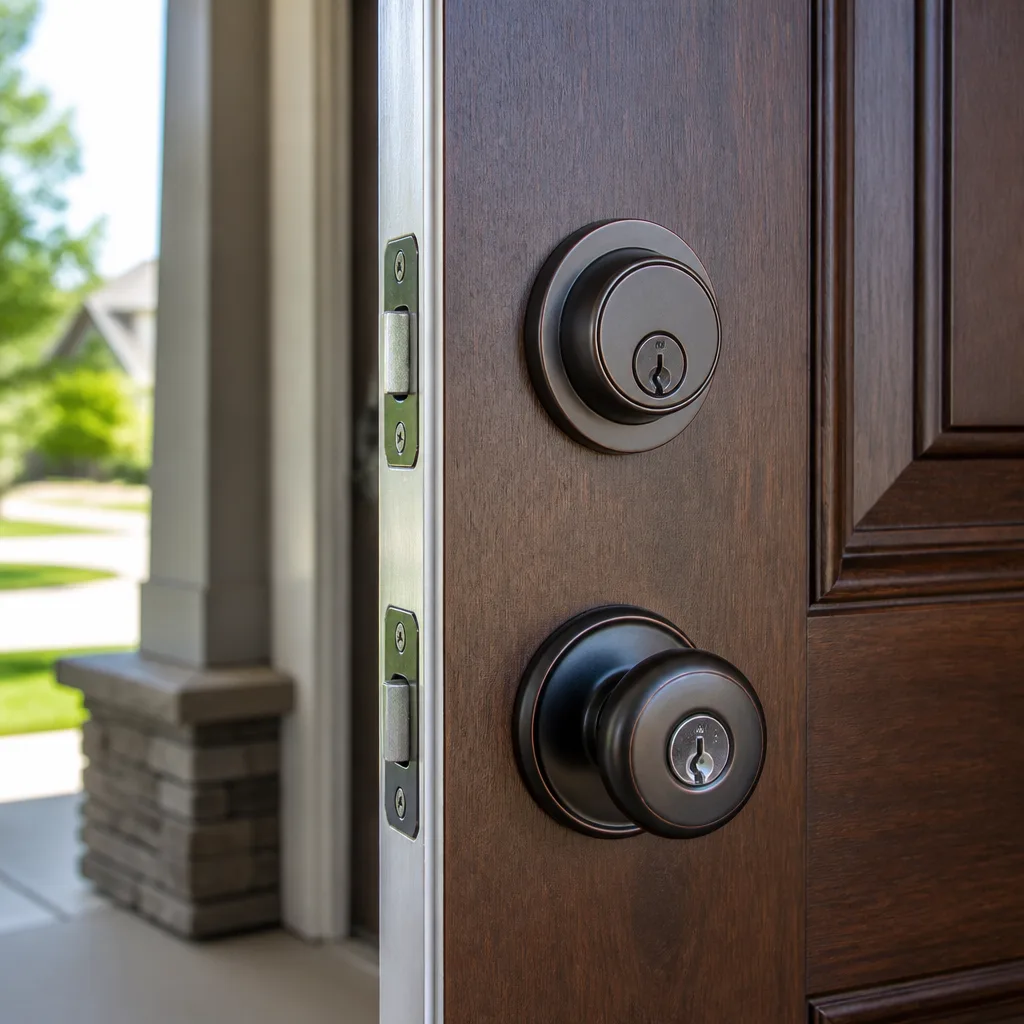
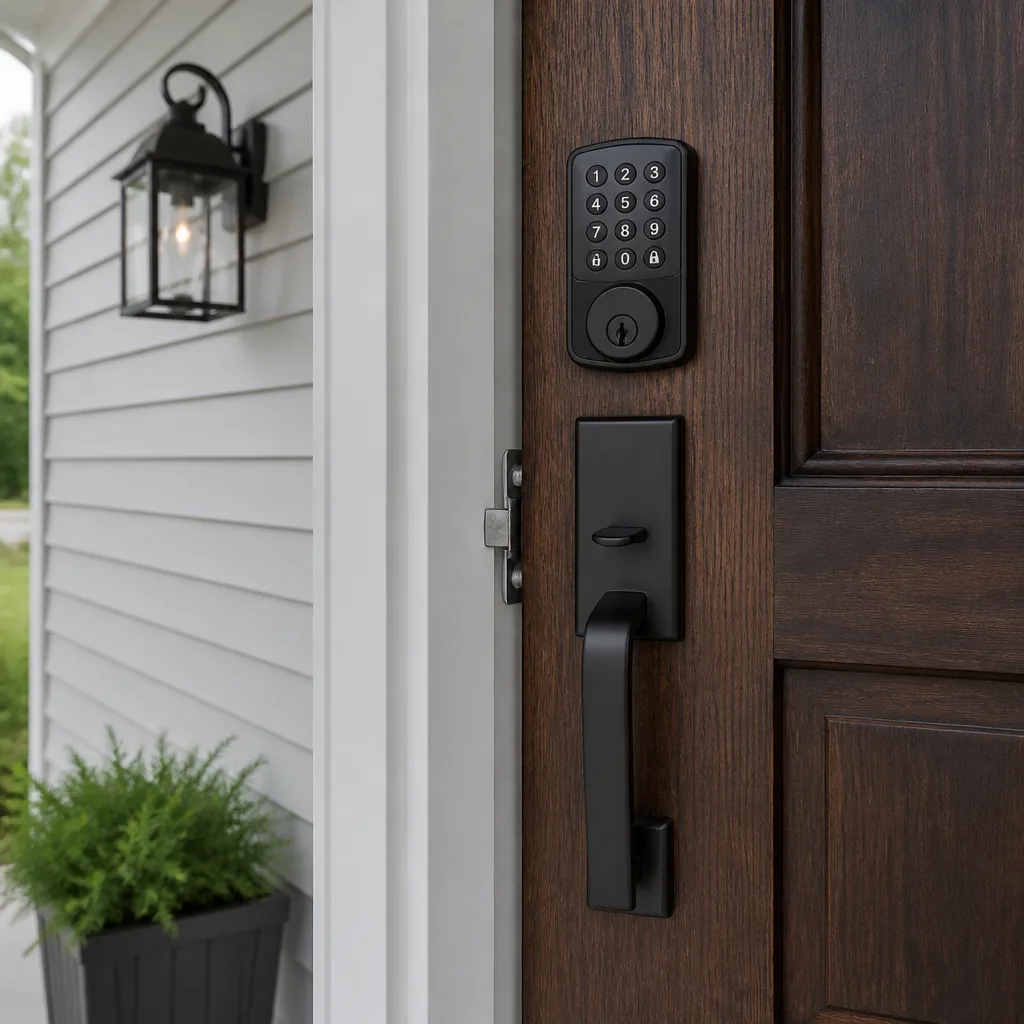
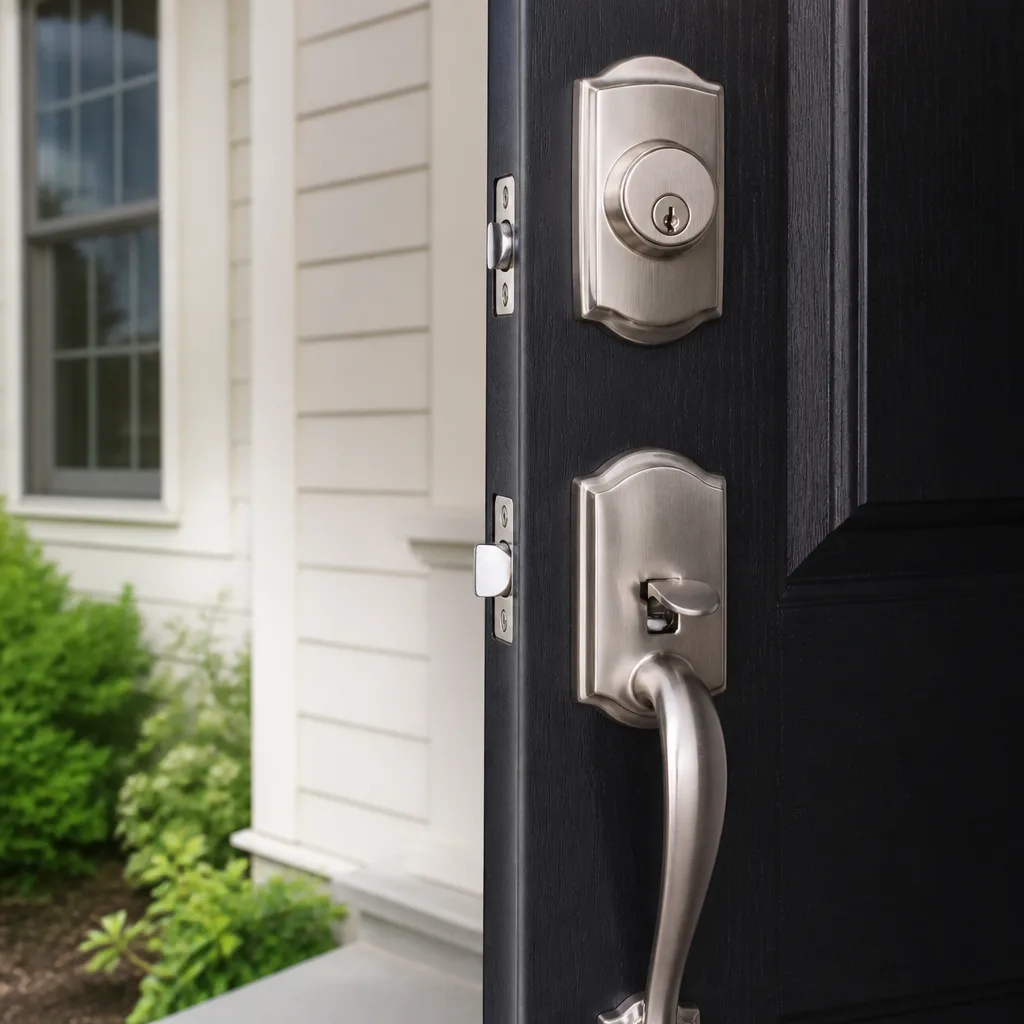
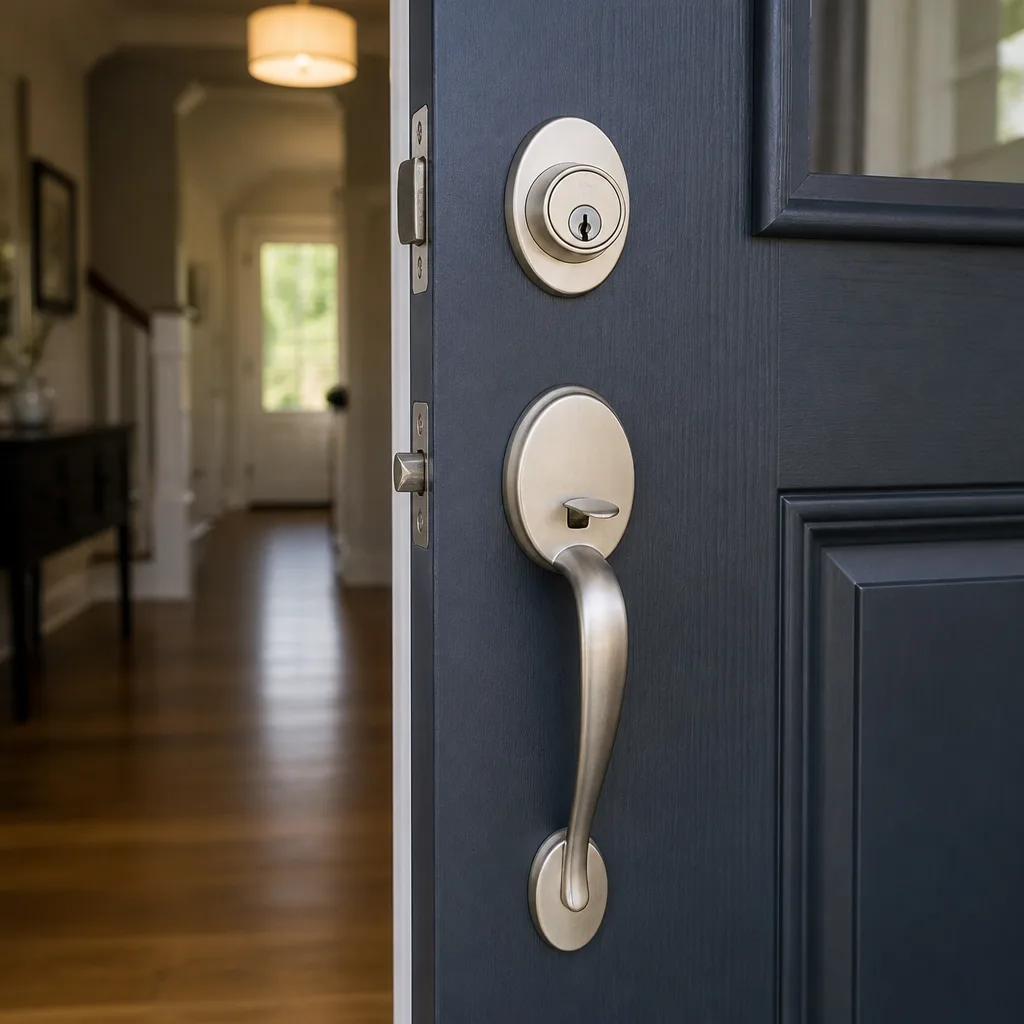
Seasonal Locksmith Care for Los Angeles: Year-Round Homeowner’s Guide
A deadbolt that throws smoothly in January may bind completely by October in a west-side Los Angeles home because the door frame has expanded and the strike plate is now a quarter-inch out of alignment. We see this call every autumn, and it is entirely preventable with a spring inspection that takes twenty minutes. This guide - alongside our Complete Guide to Locksmith in Los Angeles - maps the four seasonal stress cycles that degrade lock hardware in Los Angeles homes - marine layer humidity, summer heat expansion, Santa Ana dust infiltration, and rare but real freeze-thaw events in the foothills - and gives you a quarterly checklist to catch each one before it becomes a lockout or a security gap.
Quick Answer
Los Angeles homeowners should inspect their lock hardware four times per year: in March for moisture corrosion after winter rains, in June for door frame expansion from heat, in October for dust infiltration before Santa Ana winds, and in January for seal hardening in foothill neighborhoods. Each inspection takes 10-15 minutes and addresses the specific climate stress that season applies to cylinders, strike plates, and sliding door tracks. Professional service is warranted when a deadbolt binds, a key requires jiggling, or any exterior hardware shows corrosion - Novak Lock & Security Los Angeles provides written estimates before dispatch at (213) 632-4875.
Table of Contents

- Spring: Marine Layer Moisture and Post-Winter Corrosion
- Summer: Heat Expansion and Deadbolt Misalignment
- Fall: Santa Ana Dust and Cylinder Contamination
- Winter: Foothill Freeze-Thaw and Seal Hardening
- Your Seasonal Lock Inspection Checklist
- What Professional Seasonal Service Costs in Los Angeles
- Common Mistakes to Avoid
- When to Call a Professional
- Frequently Asked Questions
Spring: Marine Layer Moisture and Post-Winter Corrosion
March through May in Los Angeles brings the marine layer, that Pacific-born fog bank that rolls inland at dawn and lingers until mid-morning from Venice Beach through the Westside, the South Bay, and into the San Fernando Valley. Relative humidity in these zones routinely hits 85-95% before noon, then drops sharply by afternoon. That daily wet-dry cycle is harder on metal hardware than sustained dampness because it drives condensation into crevices that never fully evaporate.
In our experience, spring is when we field the most calls for sticky deadbolts and keys that suddenly require a wiggle to turn. The cause is rarely the key itself. It is corrosion on the bottom pins of a pin tumbler cylinder, or on the bolt face where it meets the strike plate. Kwikset and older Schlage cylinders are particularly susceptible because their brass pins oxidize visibly; high-security cylinders like Medeco and Mul-T-Lock use hardened materials that resist this, but even they benefit from a spring inspection after a wet winter.
El Niño winters amplify the problem. The 2023-2024 season left us with a backlog of calls from Mar Vista to Pacific Palisades where exterior gate latches and patio door mortise locks had developed surface corrosion that migrated into the keyway. In one case on Marco Place, a homeowner’s Baldwin deadbolt had corroded so severely that the cylinder had to be replaced entirely - a $280 job that a $15 lubrication and wipe-down in March would have prevented.
What to inspect this season:
- All exterior lock cylinders for green or white oxidation on the face
- Keyway entry: insert the key fully, remove it, and check for dark residue on the blade
- Strike plates and bolt faces for rust or corrosion where moisture pools
- Gate latches and pool-area hardware, which sit in the lowest humidity zones and collect dew
- Sliding glass door tracks, where marine layer condensation mixes with dust to form an abrasive paste
If you find corrosion, do not force the key. Forcing a corroded cylinder shears pins and turns a $120 rekey into a $340 cylinder replacement. Apply a dry graphite lubricant, work the key gently, and call for service if resistance persists. We document the condition with a photo record before any work begins, under Haven Standard Clause 3.
Summer: Heat Expansion and Deadbolt Misalignment
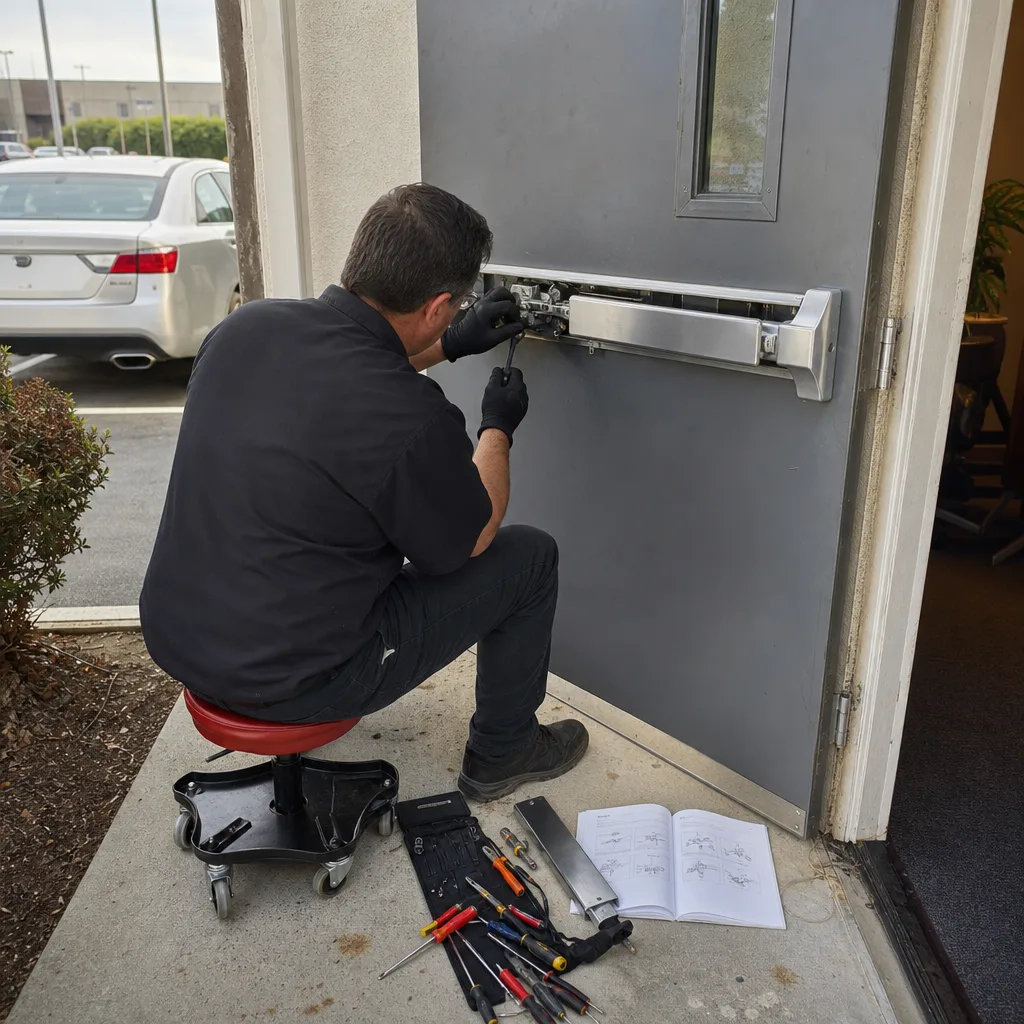
June through September in Los Angeles brings sustained temperatures above 85°F, with valley and inland basin locations seeing weeks above 100°F. Wood door frames absorb this heat, expand across the grain, and shift strike plate alignment by small but critical amounts. A deadbolt that throws 1 inch in March may throw 7/8 inch in August, or may not seat fully at all.
The failure mode is straightforward. The deadbolt extends into a strike plate mortised into the door jamb. When the jamb swells, the bolt meets metal instead of the open receptacle. The homeowner pushes harder. The internal mechanism, already under torque from misalignment, strips or jams. We see this most in homes built between 2015 and 2025 with solid-core fiberglass or wood doors - excellent insulation, but they move more than hollow metal doors in heat, as covered in our DIY vs Professional Locksmith guide for Los Angeles homeowners.
In Sherman Oaks last July, we responded to a call where a homeowner had been forcing a misaligned deadbolt for three weeks. The internal cam was stripped, the bolt was scored where it scraped the strike plate, and the door frame had developed a crack from the repeated stress. The repair required a new deadbolt ($180-$260), strike plate relocation, and frame patching. A June inspection would have caught the misalignment when it was a quarter-inch and correctable with a file and reposition.
How to check and correct summer misalignment:
- Close the door fully and mark where the deadbolt face meets the jamb with light pencil
- Extend the deadbolt manually (turn the thumbturn, not the key) and observe whether it seats smoothly
- If the bolt scrapes or stops short, examine the strike plate: is the wear mark centered in the receptacle, or offset to one edge?
- For offsets under 1/8 inch, a strike plate file or adjustment screw may suffice
- For offsets over 1/8 inch, the plate must be remortised and repositioned - this is where professional alignment tools prevent frame damage
We do not recommend enlarging the strike plate hole with a drill. An oversized receptacle defeats the deadbolt’s security function; a 1-inch bolt extending into a 1.25-inch hole provides no resistance to pry attack. Proper repositioning maintains the original engineering of the lock.
Summer is also when we recommend checking patio door tracks. Heat expands aluminum frames and can cause sliding door locks to bind in their keepers. A silicone-based dry lubricant on the track and lock mechanism prevents the grit accumulation that accelerates wear.
Fall: Santa Ana Dust and Cylinder Contamination
October through November brings the Santa Ana winds, hot dry gusts that carry fine particulate from the desert basins through the Cajon and San Gorgonio passes and deposit it across the Los Angeles basin. The particles are smaller than household dust - typically under 10 microns - and they penetrate keyways, padlock shackles, and sliding door mechanisms that coarser debris cannot reach.
The damage is not immediate. Dust infiltration is cumulative. Each key insertion carries a small load of abrasive material into the pin chamber. Over months, the pins lose their smooth travel, the springs bind, and the cylinder develops a “gritty” feel. By the time a key requires jiggling, the cylinder has measurable wear. In our records, cylinders that receive annual cleaning last 12-15 years in Los Angeles conditions; those that do not, average 6-8 years before replacement.
Fall is the optimal season for preventive cleaning because it precedes the heaviest use period - holiday travel, houseguests, and the general increase in door cycles that December brings. A cylinder cleaned in October performs reliably through January.
Correct dry lubricant application:
The most common error we correct is over-lubrication with wet products. WD-40 and similar penetrating oils attract dust; in Santa Ana season, they create a slurry that accelerates wear rather than preventing it. The correct product is a dry graphite or PTFE (Teflon) lubricant, applied sparingly.
- Insert the key and remove it; if visible debris is present, blow the keyway with compressed air held at a shallow angle (not straight in, which drives particles deeper)
- Apply one short burst of dry lubricant to the keyway - approximately 0.5 seconds
- Insert and withdraw the key five times to distribute
- Wipe the key blade clean; repeat if residue is still visible
- Operate the lock ten times to work the lubricant through the pin stack
For sliding door track locks, vacuum the track first, then apply silicone spray to a cloth and wipe the track surface - never spray directly, as overspray stains adjacent flooring and attracts more dust.
We see accelerated fall wear in homes near construction zones, particularly in developing areas of the Arts District, Frogtown, and along the Expo Line corridor. New grading and unpaved lots generate particulate loads that standard residential locks are not designed to manage. Annual professional disassembly and cleaning is cost-effective in these environments.
Winter: Foothill Freeze-Thaw and Seal Hardening

Los Angeles winter is mild by national standards, but it is not uniform. The basin and coastal plain rarely see frost. The foothill neighborhoods - Altadena, La Crescenta, La Cañada Flintridge, parts of Tujunga and Sunland - experience overnight lows below 40°F from December through February, with occasional frost events that affect hardware differently than sustained cold.
The primary issue is seal and gasket hardening. Weatherstripping around door frames, gaskets on storm doors, and the rubber bumpers in some locksets become less compliant in cold. A door that closes smoothly at 70°F may require additional force at 35°F, and that additional force stresses the latch and deadbolt mechanisms. We see latch spring failures in January that trace directly to doors being slammed against hardened seals.
The secondary issue is condensation in unheated spaces. Garages, pool houses, and detached workshops in foothill homes often lack climate control. When overnight temperatures drop, metal lock bodies sweat; by morning, the keyway contains moisture that freezes if the temperature holds. A key forced into a frozen cylinder shears the key or cracks the plug. We replace approximately 30-40 frozen cylinders each winter, almost all in unheated garages in the 91001 and 91011 ZIP codes.
Foothill-specific winter checks:
- Test door closure at 7 AM, when temperatures are lowest; note any increased resistance
- Inspect weatherstripping for cracking or loss of compression recovery
- Check garage door deadbolts and side-entry locks for moisture in the keyway (visible as frost or dark staining)
- Verify that gate locks drain properly; standing water in the mechanism freezes and expands
- Consider upgrading to all-metal cylinders (Abloy, Medeco) in unheated spaces - their tolerances are less affected by thermal contraction
We do not recommend pouring hot water on a frozen lock. The thermal shock can crack brass components, and the water refreezes. A hair dryer on low heat, held at 6 inches, is safer; professional defrosting with controlled heat and immediate drying is safer still.
Your Seasonal Lock Inspection Checklist
This checklist is formatted for a homeowner to complete in 10-15 minutes per season. Pass all items, or schedule service for any fail. We leave a printed version with customers after every installation; it is also available on request, along with our Commercial Locksmith Maintenance Checklist for Los Angeles properties.
Spring (March) - Moisture Check
- [ ] Key inserts smoothly in all exterior cylinders - no catching or grittiness
- [ ] No green/white corrosion visible on cylinder faces or strike plates
- [ ] Deadbolt extends fully and seats without force
- [ ] Gate and patio hardware operates; no binding after winter rains
- [ ] Sliding door track is clean; lock engages keeper without lifting the door
Summer (June) - Alignment Check
- [ ] Deadbolt throw mark is centered in strike plate receptacle
- [ ] Thumbturn operates with one finger; no binding or torque required
- [ ] Door closes without slamming; latch engages smoothly
- [ ] No cracks or splintering around strike plate or latch mortise
- [ ] Patio door frame has not shifted in track; lock and keeper still mate
Fall (October) - Contamination Check
- [ ] Key blade is clean when removed from cylinder; no dark residue
- [ ] Cylinder operation feels smooth, not gritty
- [ ] Dry lubricant applied to all exterior cylinders
- [ ] Padlock shackles move freely; no binding or noise
- [ ] Sliding door track vacuumed and wiped with silicone
Winter (January) - Seal and Cold Check
- [ ] Door closes at morning low temperature without extra force
- [ ] Weatherstripping is supple; no cracking or permanent compression
- [ ] Garage and unheated space locks show no moisture or frost in keyway
- [ ] Gate locks drain; no standing water in mechanism
- [ ] All keys present and undamaged; no winter breakage
What Professional Seasonal Service Costs in Los Angeles
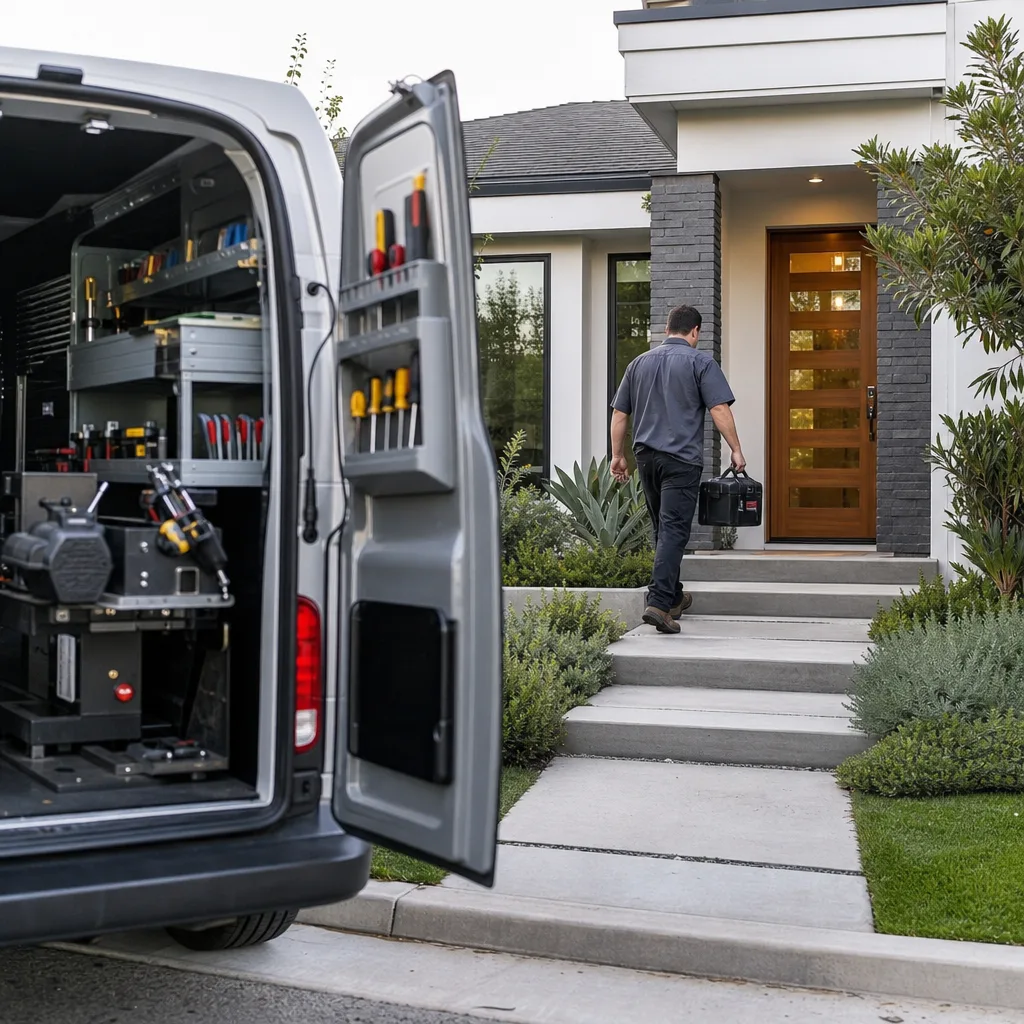
We quote every job in writing before dispatch, under Haven Standard Clause 1: the price on the phone is the price on the invoice. Below are the typical ranges we see for seasonal maintenance and correction in the Los Angeles market.
| Service | Typical Range | What’s Included |
|---|---|---|
| Seasonal inspection and lubrication (up to 5 cylinders) | $95-$145 | Visual inspection, dry lubrication, strike plate alignment check, photo record |
| Cylinder cleaning and re-pin (per cylinder) | $85-$140 | Disassembly, ultrasonic cleaning, new pins, rekey to existing or new key |
| Strike plate repositioning | $75-$125 | Removal, remortise, realignment, test and document |
| Deadbolt replacement (entry grade, Schlage or Kwikset) | $180-$260 | Removal, installation, strike adjustment, 3 keys, photo record |
| High-security deadbolt replacement (Medeco, Mul-T-Lock, Abloy) | $340-$580 | Factory-authorized installation, key registration, documentation |
| Sliding door lock service | $120-$195 | Track cleaning, lock mechanism service, keeper alignment |
| Emergency lockout response | $125-$195 | Non-destructive entry, inspection, photo record; varies by time and location |
These ranges reflect our actual invoices in Los Angeles from 2023-2024. Every quote is specific to the hardware condition we find. We do not add a call-out surcharge on arrival; the quoted price is the full price. For commercial properties and access control systems, we provide a written scope and flat per-device pricing after survey.
Common Mistakes to Avoid
- Using WD-40 or oil-based lubricants in exterior cylinders. These products attract dust and form an abrasive slurry, particularly during Santa Ana season. We replace cylinders annually that would have lasted a decade with correct dry lubrication.
- Enlarging strike plate holes with a drill instead of repositioning. An oversized hole defeats security engineering; the deadbolt no longer resists pry or kick attack. Proper repositioning maintains the lock’s original rating.
- Ignoring marine layer corrosion because “it’s just surface.” Surface corrosion on a Kwikset or older Schlage cylinder migrates into the keyway within one season. A $15 spring cleaning prevents a $280 replacement.
- Forcing a key in cold weather. In Altadena and La Crescenta, frozen keyways shear keys and crack plugs. Apply controlled heat, or call for professional defrosting.
- Skipping inspection of gate and patio hardware. These locks see less daily use but more environmental exposure. They fail when you need them - during a backyard event or when securing a pool area.
- Assuming all locks need the same maintenance. High-security cylinders like Abloy and Medeco have different tolerances and lubrication requirements than entry-grade hardware. Factory-authorized service maintains warranty coverage.
- Waiting for failure before calling. A lock that binds, sticks, or requires jiggling is already damaged. Early intervention preserves the mechanism; delayed intervention requires replacement.
When to Call a Professional
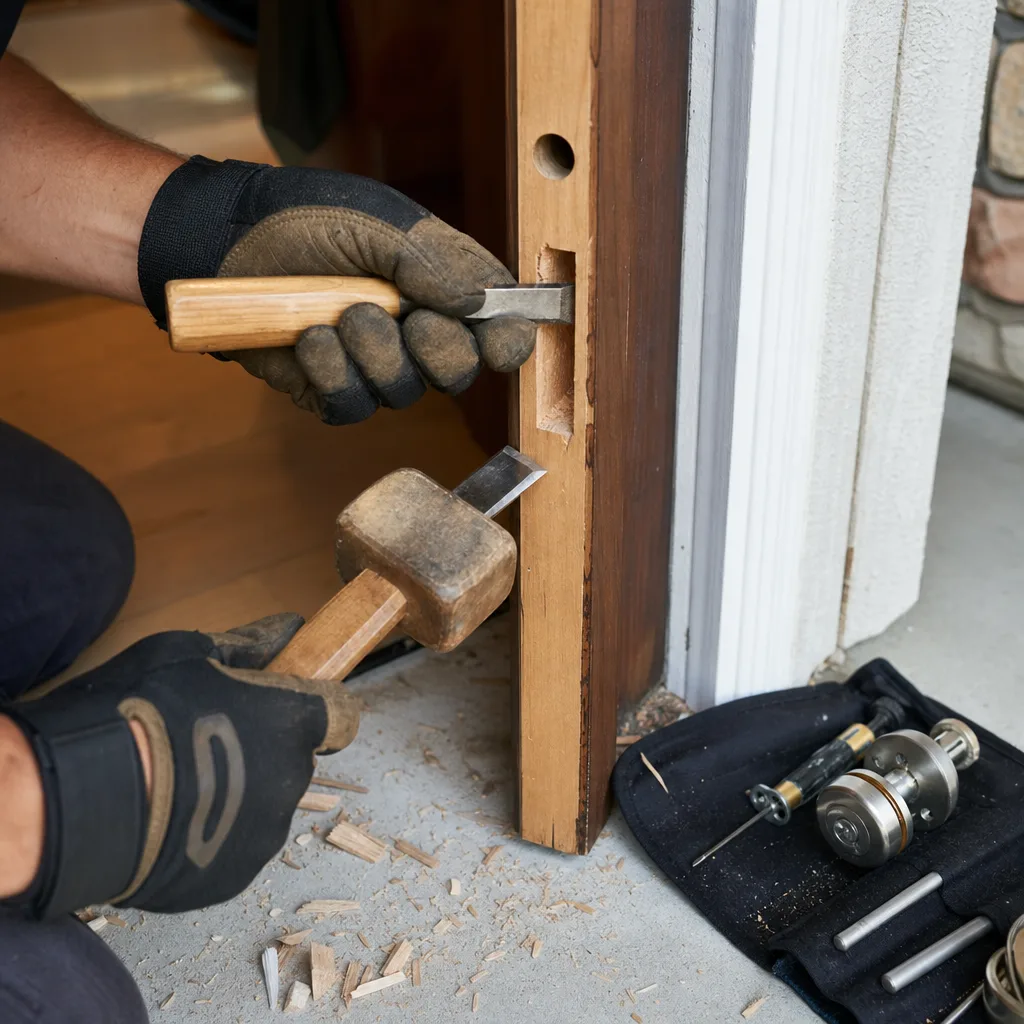
Call for service when any inspection item fails, when a key requires manipulation to turn, or when hardware shows visible corrosion, cracking, or misalignment. Do not force mechanisms; the cost of emergency repair is consistently 2-3x the cost of scheduled maintenance.
We also recommend professional service when upgrading hardware. Los Angeles has specific requirements for egress locks on rental properties, and the commercial codes for multi-unit buildings change periodically. A lock installed without code awareness may require complete replacement at inspection.
Novak Lock & Security Los Angeles offers free estimates in Los Angeles - call (213) 632-4875. Every estimate is delivered in writing before dispatch, with no call-out surcharge added on arrival. Our technicians are background-checked, uniformed, and work to The Haven Standard, with a documented photo record left at every job.
Frequently Asked Questions
A professional seasonal inspection and lubrication for a typical Los Angeles home with 3-5 exterior cylinders runs $95-$145, quoted in writing before we dispatch. Cylinder cleaning and re-pinning, if needed, is $85-$140 per cylinder. We do not add surcharges on arrival; Haven Standard Clause 1 guarantees the phone quote equals the invoice total. Call (213) 632-4875 for an exact quote - estimates are free.
Yes. The price we quote is the price on the invoice, with no exceptions. This rule has been in place since 2002 and is the foundation of Novak Lock & Security. If we find additional issues during service, we document them, quote the correction separately, and obtain approval before proceeding. No work begins without a written price.
Calls are answered by a live person 24 hours per day. Emergency response time varies by location and traffic conditions; we quote an estimated arrival window when you call, not a false promise. For seasonal maintenance, we schedule at your convenience, typically within 48-72 hours.
High-security cylinders require factory-authorized service to maintain warranty coverage. The materials resist corrosion better than entry-grade brass, but the tolerances are tighter - contamination affects them more severely when it occurs. We are factory-authorized for Medeco, Mul-T-Lock, and Abloy, and we document service to preserve your warranty registration.
The combination of marine layer humidity, intense summer heat, Santa Ana dust, and occasional foothill frost creates four distinct stress cycles in a single year. Most U.S. markets have one or two; Los Angeles has four, each affecting different hardware components. Quarterly inspection addresses each cycle before it compounds.
Every technician is background-checked, uniformed, and works under The Haven Standard, the quality framework shared across all ten Haven brands. Every visit includes a documented photo record left with you at completion. We have installed or serviced 60,000+ locks since 2002, every one with a written price before starting and a documented record when finished.
The Bottom Line
Los Angeles lock hardware faces four seasonal stress cycles that are predictable, identifiable, and preventable with a quarterly inspection routine. Marine layer moisture corrodes cylinders in spring. Summer heat expands door frames and misaligns deadbolts. Santa Ana winds contaminate pin tumblers in fall. Winter cold hardens seals and freezes unheated hardware in the foothills. Each cycle has specific warning signs, correct maintenance procedures, and cost ranges for professional correction. A homeowner who inspects seasonally avoids the emergency calls that cost 2-3x scheduled service. For those who prefer professional maintenance, Novak Lock & Security Los Angeles provides written estimates before dispatch, background-checked technicians, and the 365-Day Done Right Promise on every job. Explore more guides & resources on seasonal lock care.
Call (213) 632-4875 for a free estimate, or schedule your seasonal inspection online. The price we quote is the price you pay. Haven Standard Clause 1.
Written by Daniel Novak, Owner at Novak Lock & Security Los Angeles, serving Los Angeles since 2002.